Continuing our August trip, we headed from Croatia to the Greek islands. From Dubrovnik, we flew to Mykonos with a stop in Athens, which takes ~ 4 hours with a layover. Not bad at all. In theory. In reality, however, our Aegean Airlines flight got delayed, with no explanation, and took quite a bit longer. Landing in Athens, we had to very quickly abandon the relaxed, civilized, and oh-so-stressless spirit of Croatia travel and deal with the chaos of rebooking tickets in an airport where it seems no one knew anything, and multiple employees did not speak English. After being sent around a few times, we finally got new tickets and then had several hours to wonder around the airport. Flights to Crete seemed to be very popular with younger crowds – for future reference 🙂
Where to Stay + What to do
We took a taxi from Mykonos airport to our hotel – slightly away from the town center, but within walking distance of the historic town, Fabrika bus stop (convenient for trips to the beach) and ferry terminal (for our next leg of the journey).
We only had two days to explore and that was plenty for us. We walked the streets of the historic town – very picturesque during the day and full of stores selling anything from cute and (relatively) cheap souvenirs to some very expensive clothing and jewelry, while at night turning into a party central that only starts to come alive around 2 am. We also walked the iconic landmark of the island – the Windmills – and had some mimosas in a Little Venice bar, Galleraki, overlooking the ocean. There are many other bars along the waterfront – all especially popular during sunsets. On one of the nights, we perched outside of a bar on main street and watched the never-stopping party flow through the streets. The island after all is known as THE party island and many people come here just for the nightlife.
Our hotel, while rather simple (for not a simple price. Everything is pricey on the island especially during the peak season), had nice views of the ocean, and so we spent some time on its swimming pool terrace watching the beautiful sunsets. We also checked out Paraga beach on one of the afternoons. Getting there was easy – there are multiple buses leaving every 10-15 minutes from the Fabrica bus stop. The Paraga beach stop is the last on the route, so there were plenty of seats on the way back, but at the later stops, there were many more people trying to get in with the bus driver getting angry and threatening to call the police at people trying to squish into an already crowded bus. So, time your visit and plan you stops or stock up on patience 🙂 On the beach, there were sun-beds for rental, but we opted for the free part of the beach which was just as nice, but didn’t feel as crowded and provided an unobstructed view of the ocean, which was the main point of going to the beach for us. There are several cafes where you can grab drinks and watch the rowdy club scene emerge as the sunset approaches.
While there are many restaurants in town, our absolute favorite was Souvlaki story – a large (for Mykonos) place with modern setting, great food and fun, party atmosphere that was favored by the casually dressed and the night-club-ready, glitzy crowd alike. We ate at the place both nights. Wondering the streets, we discovered a small tapas bar – Toro Loco – where a cute bartender entertained us with Mykonos stories while mixing great Margaritas and playing Maluma-based playlist.
At Souvlaki Story
Little Venice
In Conclusion
Would we recommend visiting Mykonos? Yes. The scenery of the historic town is unique and beautiful and the night life on the streets is unlike anywhere else, at least that we’ve been to. 1 day + 1 night is all you need to get a feel for the place and see the major sights. Many people island hop and so this could be a fun stop.
If you visit Finland, besides Helsinki you should spend some time in Lapland– the magical land of snow-covered forests, Northern lights shows, reindeer and husky sled rides and all things snow-sports. One of the most popular destination is Rovaniemi, the capital of Lapland and the official home of Santa Claus. A few hours north is another popular destination, Levi– Finland’s largest and most popular skiing resort. Kemi is known for the large Sampo Icebreaker cruises in addition to all the usual winter activities. Finally, Saariselkä is known for what’s probably the most famous glass igloo hotel on the internet. You can see them on the map here and find a few more destinations here. All in all, practically everywhere you’ll be able to visit reindeer farms, ride husky sleds, cross-country ski and rent snowmobiles, so unless you want something more unique, any town in Lapland is great.
Getting there
Getting to Lapland is easy and there are several options. Most convenient and fast is flying. Finnair has multiple daily flights from Helsinki to the 6 Lapland airports. This is the option we chose for our trip – the flight from Helsinki to Kittilä (Levi area) being only an 1.5 hrs. One could also take Santa Claus Express train that goes from Helsinki to Rovaniemi and Kemijärvi and is a popular option with families. The ride takes ~ 10 hours and is an overnight affair. After reading various comments online and watching a few YouTube videos of the sleeper cabin – which has very small windows – spending 10 hours in a confined space with tons of kids running around didn’t seem like it was worth it. The last option is driving. It takes about the same 10 hours to get from Helsinki to Rovaniemi. The main roads in Lapland are well maintained and all cars are required by law to have winter tires. So it seems doable depending on how adventurous you are 🙂
One of the unique experiences in Lapland is staying in an ice hotel. There are several of them in Finland, all built from scratch around November-December and in operation until they melt in April. We chose SnowVillage in Kittilä mainly due to availability, but there are also Arctic SnowHotel in Rovaniemi and SnowCastle in Kemi. Each year, hotels choose a new theme and every room is carved/decorated in a unique way. This year’s theme for SnowVillage was “Around the World” and so the ice decorations honored Paris, London, Santorini and others world-famous sights.
We spent one night at the hotel, which is the maximum recommended given that room temperature stays between -1 and -5 Celsius. The stay included our own room with an icebed, sleeping bags and a separate (non-ice 😀 ) lounge where we could warm up and use a kitchen and facilities during the night. There were many visitors to the hotel throughout the day and evening who stayed somewhere else and visited for lunch, dinner, or an overnight stay through various local tours.
So, would we recommend it? Yes. It was a fun experience. Will it be the most comfortable night of your life? Probably not 😀
SnowVillage is located in Ylläs area that is made out of two villages: Äkäslompolo and Ylläsjärvi on opposites side of the Yillas ski resort. You can see their location on this map. Both are pretty quiet, have very few restaurants and shops and, according to our guides, are more popular with the older tourists. If you are looking for a more lively town with a night scene, younger crowd and more shopping and entertainment options, Levi would be a better place to stay. Both are within 30-minute drive (or a bus ride) form Kittilä airport.
Northern Lights
Northern light shows are another major attraction of the Lapland region during winter. Our guides told us that the shows occur often, every 2-3 nights, but to see them one has to be away from the city lights AND the sky has to be clear. So it’s a lot about luck. We did get lucky and saw the show on one of the 5 nights we spent in Lapland. It was mostly by accident when we couldn’t sleep at 5 in the morning and looked randomly out of the window. If you can rent a hotel with big glass windows or, even better, a glass ceiling, you might be able to catch more random shows. Also, what no-one mentions is that the lights don’t look very bright and only when you point your phone at the sky, you can tell for certain.
We booked most of our tours through Lapland Safaris in Ylläs which ended up being a great choice and we highly recommend it. The company exists since 1980s and has outposts in Levi, Luosto, Rovaniemi and Saariselkä in addition to Ylläs. For each tour, we were picked up from our hotel and taken to the main office where we were given all the snow gear needed to stay warm – jumpsuits, gloves, wool socks and boots. Most tours took around 3 hours and were outside, so the warm gear came in very handy. The tours were very well organized and the guides were friendly and knowledgeable. Reindeer safari was the most relaxed of all the tours – we drove the sled at a leisurely pace through the beautiful landscapes of snow-covered forests and got to enjoy the views. Aurora Borealis safari by snowmobile was a lot more intense. Driving full speed under the falling snow through the dark Finnish forests was quite a memorable experience 😀 One of our favorite tours was forest skiing in the national forest. We ended up being the only ones on the tour and our guide, Erland, was very funny and taught us all kinds of interesting facts about forest animals and survival skills in the Arctic Circle. If you want to experience Finnish forests up close and personal, this is the only way to do it, since without the skis, you’d fall into the snow up to your hips. We also got to use a new type of skis – Altai – that are something of a mix between down-hill skis and snowshoes and make going around trees in deep snow ‘relatively’ easy. One tour we booked directly was Rami’s Huskies safari and it was a also a great experience.
If you want to do things on your own, that’s also an option. There is a gear/clothing rental place in Ylläs ski resort that rents everything you need for skiing, snowshoeing, snow-biking and whatever other winter sport at a reasonable price.
This January we decided to experience a real winter. And what better place to do that than Finland – a home to Santa Claus, roaming reindeer, and fairy tale views of snow-covered forests. It ended up one of our most memorable trips. We spent 2 days in Helsinki and 5 days above the Arctic Circle in Lapland northern region (more about Lapland in the next post). When planning the trip, there wasn’t actually a lot of detailed information online, so in this post I share tips we learned from our trip – maps, places to see, things to do and what to pack.
About Finland
A little bit about Finland. It’s the seven largest country in Europe by area, but the 3rd least populated after Norway and Iceland. There are only about 5.5 million people – same as in much, much smaller Denmark. Together with Sweden, Norway, Denmark, Iceland and a few small territories, it belongs to Nordic countries geographical region. One of its nicknames is ‘land of a thousand lakes” since it has over 180K of them nestled among the endless forests stretching as far as eye can see. The independent country of Finland existed only for ~100 years, from 1917. Before that time, it was at various points in history under Swedish, Russian or dual influence. Some more interesting facts about Finland: it’s the place where sauna was invented about 2000 years ago, it has produced many world-class race car drivers, Finns consume the largest amount of coffee per capita than anyone else (makes perfect sense when it’s dark and cold much of the year) and Finland often is at the top of “Happiest countries” list. If you want to learn more, I found Culture Smart guide book about Finnish customs and culture quite interesting when prepping for the trip.
If you visit Helsinki for the first time, the best place to stay is aroundEsplanadi park, in the city center. A taxi ride from the airport takes ~30 min and costs a fixed rate of ~40-50 euros. The area around the ‘Espa’ park is really lively and all the major attractions are within a 5-15 minute walk. There are also many shops including the flagship store of Marimekko, Littala glassware – two famous Finnish brands – as well as larger stores/malls like Kamp Galleria and Stockmann. The area has also many restaurants and cafes (more on that later). We’ve marked these and many other places on the map.
Sightseeing
Helsinki city center is pretty small and one can see all the attractions in 1-1.5 days. We visited the Helsinki Cathedral– one of the Finland’s most famous buildings, built in the beautiful neoclassical style upon the order of one of the Russian tsars. More recently, it was featured in the music video of a famous Finnish DJ, Darude. I am sure you’ve heard the song. Another interesting architectural sight was Temppeliaukio Churchor Rock Church built directly into a huge rock. The building is unique and feels more like a concert hall than a church. Kiasma modern art museumwas closed when we were there, but we were able to visit Amos Rexunderground museum that featured and immersive installation by a Belgian artist Hans Op de Beeck. We also stopped the Oodi library buildingthat has interesting architecture (and we love books!). The library had a whole floor dedicated to free workshops, from 3D printing to music recording, fashion design, etc. A large contrast to the poorly funded US libraries. You can find these and other places also marked on our map.
We were really excited to try sauna in the country that invented the experience. Since we only had 2 nights in Helsinki, we visited two unique places: Löyly and Allas Sea Pool.
Löyly is a ~ 35 minute walk from the city center, on the shore of the Baltic sea. There are public transport options, but we wanted to walk to see more of the city. It was dark, but perfectly safe. The place is not very large and so they require pre-booking online. We visited on Sunday night, after the Sunday brunch crowd, but there were still quite a few people and most of them Finns. The place has 3 saunas and a lounge room with a fireplace where you can relax and have a drink in between sessions. We loved the experience – they really know how to get the sauna really hot! – and even did a plunge into the icy sea waters after warming up inside.
By the way, we learned that “löyly” is a uniquely Finnish term meaning steam from throwing water on the hot sauna stones.
The next evening we visited Allas Sea Pool, located right in the city center, close to Esplanadi park. While Löyly felt more like a spa experience, Allas Sea Pool had a more sporty/athletic atmosphere. The 3 saunas – one for each gender and one mixed – were small, fitting up to 8 people maximum. A very nice feature was an outside ‘heated’ pool that you could jump into after each session. Of course, the option to dip into the icy sea was also there :). It was a memorable experience running out of sauna to the pool under the slight dusting of snow and swimming while looking at the lit-up city shoreline.
We love trying new cuisines and drinks when we travel (who doesn’t, right?). A staple dish all over Finland is sautéed rein deer or poronkäristys. Reindeer meat is even more prevalent in Lapland where reindeer are farmed. So, if you are going there on your trip, you can save the tasting for later. In Helsinki, we liked Zetor restaurant for the delicious food and a unique, cowboy/ farm-themed decor reminiscent of Texas. We also were pleasantly surprised how good the food was at Ekberg cafe – the oldest cafe in Finland, located right across from the Helsinki Cathedral. A prime tourist spot, in USA it would mean poor food and exorbitant prices, but in Finland – not the case. While trying salmon soup or lohikeitto – another popular local offering – we saw several dogs hanging out with their owners inside the cafe – an especially nice contrast to Boston’s anti-dog culture. One of the mornings, we got breakfast at Cafe Explanade, a pleasant cafe on the main street bordering Esplanadi park. We tried delicious Karelian pastry with buttered-egg topping. Mmmmm. You have to try it!
Helsinki seems to have more international cuisine restaurants than local ones. So, on our last day we decided to try something unique and hard to find back in US – an Armenian restaurant. Armenian House was excellent – from delicious food, to cozy atmosphere, to great service. It was one of the best meals we’ve had in all of our travels.
Now to the drinks. If you want to try some of the local adult beverages, keep in mind that in Finland, any alcohol with > 4.8% ABV can only be bought in government-owned Alko stores. That’s where we headed to try some mini-bottle samples of Jaloviina (a cut brandy), Lakka (a cloudberry liqueur), and Koskenkorva Salmiakki (a mix of vodka and salty licorice). Another famous drink served in bars but also sold in cans and bottles is Finnish Long Drink – a gin and grapefruit (or another juice) mix.
Shopping
While walking around the Esplanadi park area, we stopped by a couple of shopping centers curious to explore Finnish brands. One brand we discovered was Lumene – a cosmetics line incorporating natural Finnish ingredients like various berries, birch sap and others. The brand is very popular in Finland and has been winning various awards around Europe. Specifically developed to counteract the effects of cold and harsh weather, it’s also much more affordable than other similar brands. When I got back to US, I found out its also available in US. We’ll see how well it fares for the Boston winter weather.
Another Finnish brand we have never heard of before – but that’s is very popular all over Europe – is Haltioutdoor clothing company named after a peak in Lapland region. The brand has existed since 1970s and has been outfitting professional winter athletes, Mt. Everest climbers, and various expeditions to Andes, Greenland and beyond. So, if you need some warm clothing and a practical souvenir you’ll get to wear for years to come, this would be a good brand to buy.
What to pack
The weather was unusually mild (according to locals) when we visited in mid-January. The temperatures hovered around 0 C/32 F and so a warm coat, some warm leggings and decent winter boots were enough to stay warm. After researching some options online, I went with Eddie Bauer base-layer shirt and winter boots – for their reasonable price and good quality. In Lapland, where it was a little colder, all of the tours provided jumpsuits, mittens & extra warm wool socks, so you really don’t have to bring anything extra unless you want to.
Andalusia is the Southern-most region of Spain, famous for its hot temperatures, Flamenco, and architecture that combine both Roman and Arab influences. On our trip, we decided to visit three cities: Cordoba, Granada, and Seville. Seville, because it’s the capital of Andalusia and because we’ve heard it was a cool place. Cordoba, because it was a convenient stop on our train route from Valencia. And we added Granada on a spur of the moment only because we wanted to visit the world-famous Alhambra.
Getting There: One can get to Granada by bus, train, and, of course, airplane, depending on where you are coming from. It’s a quicker trip from Cordoba then Seville. Usually, you can take a high-speed train from either of those cities straight to Granada, however, when we were visiting, that line was not operational for some reason, so we had to take a train from Cordoba to Antequera and then get on a bus. It sounds complicated, but it was actually were easy, and the bus was clean, air-conditioned and nearly empty. Total cost for train/bus tickets was around 60€, and the total travel time was 2 hours 15 minutes.
The tourist center at the Granada train station was useless. In what we had come to expect as typical Spanish hospitality, the tourist center employee waived us away by saying that they had “no tourist information.” Not even a map. So, try to grab a map of Granada or googling the important stuff before you get to the city.
What to do in Granada: Of course, the main reason tourists visit Granada is Alhambra, or as Spanish call it – Conjunto Monumental de La Alhambra y Generalife, which seats on top of the hill. Alhambra is a combination of a medieval fortress (Alcazaba), a beautiful palace (Palacio Nazarez), and picturesque gardens (Generalife).
You have to buy your tickets in advance and for a specific time (don’t worry, you have a 30-minute leeway to arrive and we have never seen anyone turned away because they came at a wrong time or were too late). That is, you have to be at the palace at a certain time. You can tour the fortress, the grounds, and the gardens whenever. You don’t need to print your tickets in advance – just show up and they’ll print them for you (we just showed a credit card with which we bought the tickets). Tickets are 15.40€. We splurged on the audio guides (cash only, 7€), but they were boring and useless (as we have noticed is the case with many audio guides in Spain).
The self-guided tour takes about 2-3 hours. The palace is the most famous part of the complex because of its rich Arab architecture, but it’s pretty small and you can see the whole place in a half-an hour. I personally liked the medieval fortress the best because because it offers amazing views of the city. When touring the fortress, make sure you go up the Torre de la Vela – a tower which offers a 360-degree view of the city.
When you leave, if the heat doesn’t get you, you can take a hop-on/hop-off bus around town or do some shopping, but stay in the tourist areas because the local shops and cafes close for siesta between 3 and 5.
Food: Since we were there just for a day trip, culinary escapades were not our top priority, but if you get hungry after Alhambra, I would suggest grabbing some kebabs at one of the kebab shops on Reyes Catolicos, which is the main street you walk out on when you take a pedestrian path down the hill from Alahambra. We had kebabs at http://www.kebabgranada.com, which set us back 3€ (cheap and delicious!) and were able to grab a small table inside and rest without having to worry that a passerby might snatch a purse or a camera.
General Tips for Planning a trip to Granada:
If you are coming from Seville or Cordoba by bus/train, the travel options during the day are limited, so, once you tour the Alhambra, you’ll probably have quite a few hours to kill before you can get back.
If you are thinking of renting a car in the city, think twice. The traffic in Granada was the most frantic and chaotic mix of cars, buses and people we have seen in the whole Spain. Plus, taxis are really cheap, so I don’t think you’d need a car unless you were planning to take some day trips.
Almost everything closes for siesta from 2 pm until 5 pm, so you’ll have 3 dead hours in the middle of the day. We could have gone shopping in one of the many touristy areas (those stay open during siesta), but we were so oppressed by the heat, that we ended up camping out at a hotel lobby bar and enjoying some tinto de verano‘s, before taking our bus back to Cordoba.
The city in July is HOT. It was 104F/40C when we toured Alhambra, and after two hours in the heat, we were wiped out. Depending on how well you tolerate the heat, you might need to built in some down/air-conditioned space time (that’s where shopping comes in handy).
Our Schedule:
So, here it is. As you can see, while touring Alhambra took only 2 hours, the whole trip took an entire day because the only options for coming back to Cordoba were either on a 2 pm bus or a 6:50 pm bus:
9:07 am – 9:39 am – Train ride from Cordoba to Antequera
9:50 am – 11:05 am – Bus ride from Antequera to Granada
12 pm – 2 pm – Tour Alhambra
2 pm – 6 pm – Shopping and having some drinks at a hotel bar
6:50 pm – 8:10 pm – Bus ride from Granada to Antequera
8:30 pm – 9:07 pm – Train from Antequera to Cordoba
Reflections: So, overall, was Alhambra worth it? We didn’t think so. Granada itself is kind of chaotic, dirty and not very pretty. The most famous part of Alhambra – the palace – takes no time to see, and while there are other things do in the city, the heat can make the sightseeing almost unbearable. Once the high-speed train starts running from Cordoba and Seville, it might be worth having a half-a-day trip, but, hey an extra day in Sevilla might be just as good!
For this part of the trip we rented a car and you can see our route and directions here.
Brisbane
Brisbane is considered to be Australia’s Pittsburgh, and it certainly seemed to fit that description on our brief stop there. We spent half-a-day there, enough to get a great breakfast at Spoon,
Maybe a little scared. NBD
Soooo sleepy!
and snap a few pictures of the street art, but our main destination was the Lone Pine Koala Sanctuary (LPKS) 40 minutes outside of Brisbane. That’s where Presidents Putin and Obama, and a few other G-20 leaders got to pet koalas on the tour of Australia just a couple of weeks before our arrival. If you are in that area, the LPKS is a must! It’s open from 9 till 5. Travel Tip: Many wildlife sanctuaries or zoos in Australia get overrun with huge crowds of tourists after lunch, so we would recommend getting there early in the morning to avoid crowds.
The LPKS admission is $31.50, and if you buy your ticket online, you get a 10% discount. Inside, they will let you pet a koala for free (while somebody else is holding it) or you can have a picture with a koala taken for additional $15. Considering that your travel companion or anybody, really, can snap a picture of you and koala while the sanctuary employees do the same, the $15 price per photo seems to be a great deal!
We spent close to two hours in the LPKS, most of it petting and feeding kangaroos and watching koalas hang out on the trees. By the time we were leaving, the place began to be overrun with kids and large groups of tourists and I started to feel bad for the animals. So, if you can, go early in the morning, when the animals are not yet jaded and are still hungry enough to eat from your hand. (Don’t worry, there is a roped-in area of the sanctuary where kangaroos can go if they don’t want to be petted, so they have a way of avoiding the crowd).
From the Lone Pine Koala Sanctuary, we took M-1 south to the Gold Coast. If like us before our trip, you are wondering where you should stay in the
Gold Coast, their equivalent of Florida
Gold Coast, I’d say, there is really no bad place. The beaches are long, wide and seem to run for miles. We stayed at the Sheraton Mirage (highly recommend), just a few miles away from the Surfers’ Paradise, and there really seemed to be no difference in the quality of waves or the sand or the view between where we stayed and the Surfers’ Paradise. If you surf, you might have different outlook, but we were there for the beach, and from that standpoint, both areas seemed to be very similar.
The best part about our hotel was its proximity to the grocery stores and a collection of great restaurants overlooking a marina. A little pedestrian overpass connected the hotel to a small mall, where you could buy anything you needed for the beach (and more), and then to the restaurants. We ate at Omeros Brothers Seafood Restaurant one night and their seafood dishes and Steak Diane were amazing.
Travel Tip: We were warned by the locals that the Gold Coast in late November/early December is overrun by “schoolies” or all the high school students that come to Gold Coast to celebrate their graduation. Apparently, similar to American spring break time, this means that the Gold Coast turns into hell for all the adults. However, while we did see hundreds of teenagers roaming the streets of Brisbane, drinking and hollering, our paths really didn’t cross while we were there, so I wouldn’t worry about it too much.
Blending in with the locals
Byron Bay
Byron Bay is about 2.5-hour drive south of Brisbane and was our favorite place out of everywhere we’ve visited in Australia. A chill surfing town, full of young good-looking surfers, burger cafes and swimsuit shops, and framed by a beautiful beach made this place seem like the most relaxing place in the world. Unfortunately, we were there for just a day, but if we had to plan our trip again, we’d definitely rent a room at one of the quaint hotels there for a few days and take up some surfing lessons.
So, there you go, if Queensland is on your itinerary, skip the Surfers’ Paradise and check out the Byron Bay instead! And if you are looking to get some quality time with kangaroos, check out the Lone Pine Koala Sanctuary.
Walking streets of Brisbane
Brisbane street art
Brisbane Old Treasury Building
Brisbane blooming trees
Tunnels, tunnels everywhere!
Lone Pine Koala Sanctuary
Can’t get enough of these guys!
Big guys need to eat too!
Oh Yeah!
The real reason we came to Australia!
Maybe a little scared. NBD
What a sweetie!
Soooo sleepy!
Wombat – pretty much a huge hamster
Play with me…
Play with me!!!
Koalas…just hanging out…
So cute!
Bro-time!
Looks pretty cozy to me.
Another guys, just hanging out.
Baby kangaroo!
We need a kangaroo ranch in Texas!
Golden Coast, their equivalent of Florida
Surfer’s paradise
Australian equivalent of pigeons…those guys were roaming around the pool snacking on cheetos like nobody’s business.
Surfer’s paradise
Ocean rowing. Those are some pretty short briefs…
Not an easy task in those waves.
Chris Hemsworth, is that you?
Schoolies at Byron Bay
Blending in with the locals
Hanging out with schoolies (not nearly as bad as the locals told us)
We decided that as long as we were visiting that part of the world, we might as well check out the island of Tasmania a.k.a. Tassie – the home of the Tasmanian Devil and a place where Australia would send their own criminals. Although we’ve read about it before we went, we didn’t realize how beautiful the island’s landscape was until we got there.
The island, 2 hours-flight south of Australia, was significantly colder than the mainland and had a completely different feel. We flew into Hobart and rented a car there, which was a very easy process (definitely get a GPS), and immediately set course onto our main attraction – Port Arthur, a World Heritage site consisting of a prison compound and the surrounding settlement. Boys as young as eight years old, if convicted of a crime such as stealing bread, would be sent to this place to serve the penance. Even under the bright afternoon sun, the place gave off an unmistakable grim and chilly air.
Most of the “cool” buildings are in a pretty deteriorated state (apparently, it didn’t become an official tourist attraction until 1980s, and until then it wasn’t kept up at all). So, after walking around a bit, taking a boat tour in the nearby harbor, and doing an hour-long tour of the grounds with a group of fellow tourists, we headed back to Hobart.
On the way back, we stopped at the Tasmanian Devil Conservation Park, which we would highly recommend, especially since it’s right on the road to Port Arthur. We got to see a Tasmanian devil being fed with chicken and got our first petting session with kangaroos!! There were not a whole lot of other tourists, so we got to enjoy the animals pretty much to ourselves
Feeding kangaroos at the Tasmanian devil conservation park
(not always the case in wildlife reserves). Also, during the same trip, we pulled over at the Pirates’ Bay, which was one of the prettiest places we saw on our trip on the island. The bay got its name because that’s where pirate ships waited out bad weather. Cool, right?
Port Arthur bay
We got back to Hobart by early evening and booked a room at Lenna Hotel right next to the Salamanca Place – an area full of shops, bars, and restaurants overlooking a marina – and popular tourist hangout. We had an excellent sea food dinner at Blue Eye, which we’d recommend if you are staying in that area.
The next morning, bright and early, we took the very winding and very narrow road up to the top of Mount Wellington. Although the drive, on the left side of the road with virtually no shoulder, was quite unnerving, the view a the top was worth it. If you do the drive, which we’d highly recommend, bring an extra jacket – the temperature was hovering around 32F / 0C and with the wind, was quite bone-chilling. It was pretty cool to see the same views that Charles Darwin would have seen when he climbed the same mountain back in 1830s.
Totally worth the winding drive up!
At the bottom of the mountain, we stopped at the Cascade Brewery, whose tagline is “Brewed on the Edge of the World.” The brewery first opened in 1832 and is the oldest operating brewery in Australia. You can read the history behind it here. Although it’s not documented anywhere, I strongly suspect that Darwin might have had a few beers here on his expedition to Tasmania.
Our next stop from Hobart was Brisbane and the Gold Coast of Australia. Unfortunately for us, our flight was delayed by a few hours due to a hail storm at our arrival destination, which is apparently is not uncommon for this time of the year. Fortunately, we were joined in our waiting by a group of BMW sales representatives whose company flew them to Tasmania as a company retreat and who were returning to Brisbane on our flight.
Aussies! Funnest airport delay yet 🙂
Over a few beers, we learned that: (1) Australians have a great sense of humor; (2) they agree that their TV programming is pretty bad (you’ll see when you visit); (3) the cars in Australia cost twice as much as they do in US; (4) virtually all Australians have been in USA at least one if not multiple times, as it is a right of passage for them after college to travel US (like it is for Americans to back pack in Europe). They also told us to check the Byron Bay, a place we probably wouldn’t have considered on our own, but which turned out to be our favorite place during the whole trip.
All on all, I’d say if you have extra time, you should check out Tasmania, as it is quite different from the mainland.
Tasmania shoreline
Pirate Bay
Pirate Bay – do I look like a pirate?
Pirate Bay
Tasmanian landscapes
Tasmanian devil
Feeding kangaroos at the Tasmanian devil conservation park
Quoll – carnivorous marsupial
They love to be petted!
Port Arthur bay islands
Tasmanian landscapes
Port Arthur historic site
Port Arthur church
Port Arthur bay ferry
Port Arthur bay
Port Arthur bay
Tasmanian sheep – almost as exciting as kangaroos!
Sydney is great and all, but if you want to experience some nature, Blue Mountains, which are only an hour and a half away from Sydney, offer a perfect opportunity. We took the train from the Central Railway Station to Katoomba. But you can also drive, which significantly cuts down the travel time. On the day that we went, we caught an early 8 am train, which helped us barely avoid hoards of tourists when we got to our destination.
Blue Mountains
We didn’t do any organized tours, so once we got to Katoomba, we just followed the signs in the town to get to the Echo Point Lookout that overlooks the Three Sisters – an unusual rock formation that according to the Aboriginal legend represents three sisters who turned into stone. There are also many panoramic views of the mountains, start of the many trails, and also the tourist store and bathrooms. It makes a good starting point and is only a 20-minute walk from the train station.
After that, we went down the Giant Stairway, which was very steep, and in parts, shaky, so, in other words, perfect! Once at the bottom of the valley, we had an option of several trails, so we walked in the jungle for a while taking in the smell of Eucalyptus (over 600 different eucalyptus trees in that forest!) and trying to spot some wild life (no luck).
Three Sisters
The trail that we took ended at the bottom of the Scenic Railway (a 40-second ride in a little tram to the top of the valley). We watched people do the ride, but it seemed a little too much like Six Flags in the middle of the forest, so we opted out to go up the Furber Steps, which are right next to it and take a little longer than the Railway. If you have little kids or are not physically fit, the stairs (both over 800 steps and pretty steep) might not be a good idea.
Once we got out of the valley, we stopped at one of the local pubs to quench our thirst with some local cider – quite a popular drink in Australia. Many places in Australia, including this one, do not serve food in the afternoon (only dinner and lunch), so plan your meal breaks accordingly.
The train took us back to Sydney and on it, we met a guy from Houston, Texas (I know, what are the chances) and a couple of Americans who used to live in Houston. So much, for trying to experience different culture! Anyway, the trip was nice, but if
Thousand steps stairwells
you are short on time and you are not a huge hiking enthusiast, you won’t miss much if you skip it. Apparently, many locals come down to Blue Mountains to camp and hang out, so it’s as much of a local hang out as it is a tourist attraction.
And no, unfortunately, we did not see any koalas near our trail. Some local firefighters who passed us on our way up the steps to rock climb told us that koalas stay pretty deep in the bush and avoid tourists, leaving us in the dust of crushed dreams. . .
We went to DC to see the famous cherry blossoms and, maybe, get a photo bomb from Kevin Spacey like this lucky lady did. Unfortunately, we missed the blossoms by one week due to a colder than usual winter this year, and we didn’t spot Mr. Underwood in our wanderings around the city, but we did crash the Kennedy Caucus Room, got a photo bomb from a super hot secret service agent, and found the best place to take a picture of the the US Capitol (once it’s restored, of course, in 2016, in time for Hillary’s inauguration).
Logistics and Accommodations
We stayed at Sofitel DC near the White House. There are very few late night food places in that area, but if you are staying there and get in town late or need a “snack” after a night on the town, &Pizza, a DC pizza chain, is open till 3 a.m., and is pretty good (sober, not after 12 tequila shots, assessment).
Getting to the hotel from the airport (DCA) was easy. A blue line from the airport took us to the Metro Station right in the middle of the city and close to our hotel. Travel Tip: Although everything looks very close on the map, it is not. The city blocks are huge, so once in the city, I’d suggest taking an Uber or the sub. We found that, unless surging, Uber X was actually cheaper than the subway for two people. Plus, we did not spot any #hotdudesreading on the DC subway, anyway, so you won’t be missing much by skipping it.
We were in DC for 2.5 days and here’s what we managed to do & see . . .
US Library of Congress
Day 1: The US Capitol, The Library of Congress, and the US Supreme Court
Starting bright and early (around 10sh), we headed straight to the Capitol to try and beat the throngs of tourists (no such luck). Being nosy, we poked around the Senate office buildings (2, 3 and 4 on this map) – where the Senators and the staffers office and, allegedly, work. The buildings are open to the public, but since there are no official tours, we were the only tourists there. Although, some 18-year old “press secretary” told us that there was nothing interesting to see in the building, we stumbled upon the Kennedy Caucus Room located in the Russell Senate Office Building. Travel Tip: We found that the locals would often misdirect you and outright lie (jerks) when asked a question – not sure if this was motivated by concerns about security or by desire to mess with the tourists, but we caught on pretty early on.
Onward with the tour of the Capitol. The tour is free, but short, since most of the building is guarded against visitors. The Rotunda is covered by plastic right now due to the restorations that are being made to its roof, so it’s not quite as impressive as it usually is. We then visited to the Library of Congress, where visitors are allowed in the public hall, but not in the library itself, which is only opened to the members of congress and people doing official research.
Kennedy Caucus Room
We rounded the day with a visit to the US Supreme Court. You can walk around the public parts of the building, and every hour or so they do a tour that includes going into the chamber where the oral arguments take place (you can’t take pictures in there though).
Day 2: The Mall, The Arlington Cemetery, and the White House
On our second day, we walked around the Mall, which was already full of tourists by 10 a.m. You can buy tickets online to go inside the Washington Monument, but you have to do it well in advance. They also give out some tickets each morning on first come, first serve basis, but you have to get in line around 7 a.m. to get them, which we skipped. The other must-sees around the Mall are the World War II Memorial, the Franklin Delano Roosevelt Memorial, Korean War Veterans Memorial, the famous Lincoln Memorial, and the Thomas Jefferson Memorial. Although they look very close to each other on the map, they are pretty spaced out, so biking is probably a good option.
After all the walking that day, the only thing we were capable of doing without our feet falling off, was to stop at the White House on our way back to the hotel. You can tour the inside if you ask you write to your state representative ahead of your visit and request the permission.
On our last day, we grabbed a quick brunch at the Founding Farmers, a very popular local brunch spot, and then went to see the Newseum, a relatively new museum in DC. They museum is somewhat depressing as it has exhibits on 9/11, the Unibomber and his victims, and a sizable exhibit dedicated to the journalists killed around the world in the line of duty. It also had a temporary exhibits on famous Baby Boomers and Presidents and their Dogs. The sixth floor has a terrace that has the best view of the Capitol (that we could find). By all accounts, this is worth a visit.
The National Archives, on the other hand, was a total bust. The only thing really worth seeing is the Declaration of Independence, but the line to see it is huge and you cannot take any pictures. We pretty much walked in and walked out, choosing not to spend an hour in line. Sorry, the founding fathers!
Eating / Drinking / Nightlife
On our trip, we ate at Zaytinya (great food, horrible service, would not recommend), Jaleo (good service, not so good tapas, would not recommend), Founding Farmers (mediocre food, but a really fun place, would probably come back). We tried to grab lunch / late lunch at the Old Ebbitt Grille a couple of times, but it was crowded with families and kids every afternoon, even at odd times, and didn’t look that appealing. We also stopped for a drink at the POV rooftop bar at the W hotel, but the views were just “okay,” the seating was limited and the crowd seems kind of old and boring, so after reading great reviews online, it was a let down. Oh well, we made up for it at the 18th Street Lounge, a dance club/life music/chill bar kind of a place near Dupont Circle.
Kennedy Caucus Room
Starting the Easter morning with hot beignets at Founding Farmers.
Just a 15-hour flight away from Dallas lies the magical land of Australia – the native land of Keith Urban, Chris Hemsworth, kangaroos, koalas, and flat whites. If one of those doesn’t make you squeal with excitement, you must be dead inside. I’m kidding (but not really).
General Notes on Travelling in Australia and our Itinerary
We spent 3 days in Sydney (needed 1 more), 2 days in Tasmania (just right), 3 days on the Gold Coast (could have used a couple more), and 3 days in Cairns (3 days too many). If we had to do it again, we’d skip Cairns since we don’t scuba dive and there is really nothing else to do there, and spend additional time driving around the Gold Coast or trying the wineries around Sydney. We flew between the cities and rented a car in Hobart, Brisbane and Cairns for day trips. We had a negative experience with Virgin Australia as their website wouldn’t allow us to check in our luggage in advance so we ended up paying for it at the airport, which, of course, was more expensive. Their customer service was awful as well. Renting a car was very easy, and if you are comfortable driving on the left side of the road (much easier than I thought it would be), then you’ll get to see a whole lot more of the country. Every hotel we stayed at had transformers for American electronics, so if you forget yours, you’ll be fine (in the major cities anyway). All and all, on a scale of 1 (easiest) to 10 (hardest), traveling in Australia was a 2, i.e. pretty easy.
Sydney
Sydney Harbour Bridge
Sydney is really easy to get around. Public transportation is in great shape and most of the tourist attractions are concentrated in the Darling Harbour and the Circular Quay or within walking distance of those neighborhoods. We did almost all of our sightseeing on foot, but as with any major city, you have all kinds of hop on hop off tours, public transportation and cabs that you can take if you don’t feel like walking.
Sydney felt like both an American city and a foreign city at once. You would be walking around surrounded by English street signs and feel like you were in the US or Europe, but then all of a sudden you’d catch a glimpse of the Sydney Harbour Bridge and the Opera House, and would be reminded that, wait, you are in Australia! The architecture was a mix of European, modern, and colonial styles, most buildings giving off 50s or 60s vibe and making this large city (4.5 mil) feel somewhat provincial.
Sydney Opera House
Getting to Sydney center from the airport was very easy. Once you land, a bus (free on Sundays) or a train will take to you the city center (only 12 minutes away). If you are staying in the Darling Harbour (which we did), Sydney Central Station (SCS) is the closest station. If you are staying at the Circular Quay (where the Sydney Harbor Bridge and the Sydney Opera House are), then you’ll want to get off at the Circular Quay Station. From the SCS, it’s just a 15-minute walk to the Darling Harbour, which we were more than happy to make, even with the suitcases, after sitting on a plane for 15 hours.
We stayed at the Sheraton Four Points Darling Harbor, which is a pretty good location to stay at. Although it looks like it is far from the Circular Quay on a map, it is actually only a 15-minute walk. Travel Tip: Both the Darling Harbour and the Circular Quay areas are very touristy, so if you are looking to eat or stay where locals are, you have to look well outside those areas.
Millers Point/Walsh Bay: We grabbed a map at the hotel and just started walking in the general direction of the Sydney Harbour Bridge, figuring we’ll eventually see it (we were right – it’s hard to miss). On the way, we stumbled upon a few cafes at the Walsh Bay, which is where we learned about flat whites – the most awesome coffee drink on the planet. We immediately fell in love. Just a few weeks after we got back state-side, Starbuck started selling flat whites in the US. Coincidence? I think not! Anyway, the Millers Point/Walsh Bay had quite a few restaurants with patios facing the water and it seemed like it would be a nice place to visit at night.
Circular Quay Wharf
The Sydney Harbour Bridge and Sydney Opera House are just a few blocks away from Millers Point/Walsh Bay. The pictures don’t do the bridge justice because it’s such an impressive feat of architecture and engineering that dominates the city’s landscape. We debated on whether to do the bridge climb, which is heavily promoted, and we were glad that we decided against it (too expensive, can’t take your own pictures, and you spend several hours walking single-file after people in your group). We did, however, walk across the bridge, which offered amazing views of the harbour and the Opera House. Instead of doing the bridge climb, we walked up to the Pylon Lookout, which is almost the same height at the top of the bridge and for a much smaller price allows way better photos. Plus, it has a small museum that has information about how and why the bridge was built.
After the bridge, we walked over to the Sydney Opera House, which is probably the most well-known attraction of Sydney. You can take an inside tour of the Opera House, walk around the building, and, of course, have some drinks and a bite to eat the Opera Bar, which has a nice selection of local beers, food that ranges from lamb skewers to sushi, and a giant patio that faces both the Opera House and the bridge.
The Royal Botanical Gardens are right next to the Sydney Opera House and were a natural progression on our walk. They are amazing and completely free. We saw many locals enjoying picnics, playing games, and soaking up the sun in the gardens. We walked around the Farm Cove and ended up at the Fleet Steps, which offer a great view of the harbour and the bridge. Travel Tip: The Fleet Steps offer a great photo opportunity.
Sydney Opera House
The next stop, after circling around the gardens, was the Hyde Park, right on the cusp of the central business district. This is the oldest public park in all of Australia and, while not very big, is very popular with the locals and offers a great place to rest.
At this point, having been on our feet since 6 a.m. that morning, we called it a day and collapsed at our hotel.
Day 2: Day Trip to the Blue Mountains (covered in another post)
Day 3: The Central Business District and the Manly Beach
Having woken up to a rainy morning, we decided to walk around downtown and wait till the clouds go away before taking a ferry to the Manly Beach (one of the two famous Sydney beaches; the other one is Bondi Beach). Unfortunately, we did not get to see both beaches, so cannot tell you which one is better, and the locals seemed to be divided between the both. So, we picked Manly Beach because you can get to it by taking a ferry, whereas you have to take a bus to get to Bondi Beach.
Manly Beach – Paradise?
I am always partial to ferries – they seem to make any trip better, so I might be biased when I say that you should definitely take the ferry to the Manly Beach. Not only does it offer spectacular views of the harbour and the Opera House, but you get a feel for how some of the luckier Sydneysiders (yes, that’s what you call somebody from Sydney) live in houses and high-rises overlooking the water.
The Manly Beach is actually situated in the town of Manly, just outside of Sydney, and there is not much to say about it other than it’s a beautiful place and if you have time, you should make it a part of your itinerary. We were there on a week day, so other than a few groups of teenagers and some students taking surfing lessons, it was not very crowded. We spent the better part of the day there and wished we could have stayed longer, but we could not, because we were leaving for Hobart, Tasmania the next day.
I would say that it we had to do it again, we would do four full days in Sydney, instead of three, and spend an entire day at the Bondi Beach. I guess that means we have to come back?
Sydney Harbour Bridge – unbelievably impressive
Circular Quay Wharf
Circular Quay Wharf
Sydney Harbour Bridge – unfortunately, it has chain link fence throughout (to prevent people from jumping), but there is a small open space at shoulder level that you can look through to see unobstructed views of the harbour (walking barefoot because a 15-hour flight makes your feet swell up – who would have thought?)
Sydney Harbour Bridge
Views from Sydney Harbour Bridge
Views from the Pylon Lookout
The view of the Sydney Harbour from the Sydney Harbour Bridge
Sydney Opera House
Sydney Opera House
Sydney Opera House
Sydney Opera House
Sydney Opera House upclose – did you know that it is covered in tile?
Sydney Harbour
Sydney Harbour
Sydney Harbour Bridge
Sydney Harbour Bridge
Sydney Opera House
Sydney Harbour Bridge
I don’t even know where this was, but I do remember thinking Hey, this is amazing!
The view of the CBD from the Royal Botanical Gardens.
The Royal Botanical Gardens.
Sydney Royal Botanical Gardens – Sexy tree pose anyone?
Sydney Royal Botanical Gardens
Royal Botanical Gardens
Royal Botanical Gardens
Royal Botanical Gardens
Royal Botanical Gardens
Royal Botanical Gardens – the pictures do not do them justice. This was probably our most favorite part of Sydney. And it’s totally free to the public.
Oh man, Australians, really know how to enjoy life. Classy way to enjoy a beautiful summer day at the botanical gardens.
Australian’s equivalent of pigeons.
The Darling Harbour – the view from our hotel
The Darling Harbour
Walsh Bay/Millers Point
Martin Place Sydney – It takes a while to sink in that Australians celebrate Christmas during their summer months
Sydney architecture
Sydney architecture
Sydney Law Courts Building
Hyde Park
Sydney architecture
The Hyde Park
Martin Place Sydney
Street Art by Millers Point
Manly Beach Ferry
Sydney Harbour
Manly Beach – Paradise?
Views from Manly Beach Ferry
Manly Beach – makes you understand why so few Australian leave Australia. . . . who could leave this paradise?
Caddo Lake makes a great day-trip from Dallas or a weekend get-away. With mangroves bathing their roots in its murky, steaming water, and Spanish moss dripping from the lush green branches of the trees,
Caddo Lake feels like a place a thousand miles away from Texas. In reality, it’s only about a 3-hour drive from Dallas.
When we went there, we did not stay overnight, but the lake is surrounded by a state park with cabins, picnic areas and marinas, so those wishing to get away for an entire weekend, can certainly do so. Apparently, it’s a big fishing spot for both people coming from Texas and Louisiana (the lake is on the border of both states).
We really enjoyed a ride on a local steamboat – the Graceful Ghost – which is while not very dramatic, offers a relaxing way to take in the beauty of the lake and the resident wildlife. The ride is about an hour-long and the tours are offered every couple of hours Wednesday through Sunday.
After the tour, we tried a whole lot of fried food at the Big Pines Lodge. The restaurant has a deck overlooking the lake, so the view is nice, but the food was not very good. We would recommend grabbing a snack or drinks there, but have dinner somewhere else.
Although Dallas and Fort Worth are part of the DFW Metroplex, they could not be more different. If you are looking for the cowboy hats and boots-wearing crowd, great BBQ, and night life than involves country-dancing rather than EDM, then you need to head to the Stockyards and Sundance Square in Forth Worth.
Not the best-looking mechanical bull I’ve ever ridden…
If you don’t have a car, you can get to downtown Fort Worth from the DFW airport by taking the DART – the local train system. You can also take the DART from downtown Dallas (an hour ride). Downtown Forth Worth is much smaller than Dallas and is very walkable, so not having a car won’t prevent you from enjoying it.
No visit to the Stockyards is complete without Billy Bob’s Texas. One of the biggest dance halls in the state, it offers live concerts and an opportunity to practice your two-step on a large dance floor. There is also an adjacent bull-riding arena that has bull-riding shows at 9 pm and 10 pm every Friday and Saturday night. While it serves food as well, there are other restaurants that are much better. I would suggest trying Cooper’s BBQ for real family-style Texas BBQ, or Joe T. Garcia’s – a Fort Worth staple with a large patio and stiff margaritas. Travel Tip: Joe T’s is cash only and the menu consists of two items: beef and chicken fajitas.
During the day, you can walk around the Stockyards Station, which has quite a few small museums, shops, restaurants, antiques stores and carriage rides to keep you busy for a couple of hours. Travel Tip: If you are looking to stay in the Stockyards, Hyatt Hotel is right in the middle of it all – within walking distance of Billy Bob’s and other Stockyards attractions.
If you are looking for a more modern or urban feel, than skip the Stockyards and stay in the Sundance Square in downtown Forth Worth. This is a 35-block shopping, entertainment, and dining area that has some of the best restaurants in town and nightlife that attracts young people from all around Fort Worth.
When planning a trip to Forth Worth, always check the calendar as frequent rodeos, concerts, and fairs can drastically affect the availability and pricing of the hotel rooms around the city. Some of the yearly events that draw thousands of people are the Fort Worth Stock Show & Rodeo (Jan/Feb), the Cowtown Marathon (Feb/Mar) and some events at the Texas Motor Speedway.
Main Street
Not the best-looking mechanical bull I’ve ever ridden…
There is no bad time to go to Sonoma Valley: hello wine and cheese! But, it is especially beautiful in the fall when the trees and the vines change colors. We were lucky enough to visit over Thanksgiving on a particularly sunny and warm day.
Sonoma valley is less formal and more quaint than Napa, but equally as fun. If I had to describe Sonoma in one word, it would be “charming.” If you have a chance to visit both, you should, because each area has its own personality. It is a little closer to San Francisco than Napa and most of the wineries do not require reservations in advance, so it’s a perfect occasion for a spur-of-the moment trip.
Just as with Napa, with all the driving involved, we only had time to visit four wineries in one day – Preston Winery, Bella Winery, Ferrari-Carano Winery, and Francis Ford Coppola Winery. I’m sure you can fit more in your itinerary if you are good with directions or are familiar with the area (we took a few wrong turns here and there).
Preston Winery was a cute winery with an old house where you could get some wine (cheap) and a back yard with benches and picnic tables and lots of CATS. I’m not a cat person, but I have to say it was really cool to watch (and pet) all the different cats that were roaming around or lounging in the sun. The crowd consisted of a few families and couples who seemed like locals.
Bella Winery sits on top of the hill, which offers great views of the surroundings. When we got there, it was mid-afternoon and the giant lawn in front of the winery was full of people houla-hooping, dancing, and enjoying wine in the sun. It felt very communal and idyllic. The wine tasting price, just $10, also included freshly-made paella and a tour of wine caves.
Ferrari-Carano Winery has a beautiful building with even more beautiful gardens. The owners have managed to replicate the atmosphere of Italy to the T. It was a little more stuffy than the other two wineries, but it was fun to walk around the grounds and enjoy the beautiful gardens.
Our final stop on the way back to San Francisco, was Francis Ford Coppola Winery, which, while a little more touristic and cheesy – they had a lot of movie memorabilia and movie props from Coppola’s movies, including “the Godfather” desk – had also some of the best wines that day.
Overall, I’d say that Sonoma is where most of the locals go, while Napa is more of a touristy place. Either one, though, is worth visiting. I, personally, cannot wait to get back to the cats. And if somebody opened a dog winery, I’d probably move to Sonoma immediately.
Napa Valley is only an hour and a half away from San Francisco, so naturally it’s a very popular getaway for the locals and, of course, a huge attraction for tourists. You can drive to the valley, take a train through the valley or hire a car. The wineries are pretty spread out and the sign system, while well organized, is still pretty complicated. So, winging it after a few tastings can be a challenge and certainly, is not safe. Lena and I had a trade off that I would drive while in Napa, and she would drive when we visited Sonoma.
Beringer Vineyards, Napa
The wineries vary a lot in the quality of wine, the style, and the types of people that favor each spot. Some wineries tend to draw families (with little kids!), some cater to Asian tourists, others to Europeans, yet others are preferred by rowdy bachelor and bachelorette parties. On our first trip to the Napa Valley, we stopped at some of the most popular ones – Robert Mondavi, Castello di Amorosa, Sterling and Beringer. You will recognize most of these names from a shelf at your local grocery store. One of the reasons we picked these four, is because most of the wineries in Napa (but not in Sonoma) require advanced reservations and we did not make any (we’ve heard that it has something to do with regulating how many people can come to the valley each day). Travel Tip: Make winery reservations in advance. Travel Tip: If you are planning a day’s trip, four to five wineries is probably the most you can comfortably plan to visit.
The Mondavi winery was one of the first ones we saw when we drove into the valley. Although we snapped a few photos there, the tours were booked, were kind of expensive, and the whole place struck as a little too much of a tourist trap, so we didn’t stay long.
The next stop was Castello di Amorosa, and this was our favorite winery. The owner built a whole castle using materials he imported from Europe, including medieval weapons, tapestries, and decorations. The underground maze of cellars, the medieval tasting room, and the farm animals roaming around the grounds managed to create an authentic rather than gimmicky background. This winery is definitely on our “revisit list.”
Sterling Winery, Napa
We then drove to the Sterling winery, which aside from its wine is famous for having an aerial tram that takes you to the top of the hill, from which you can enjoy beautiful views of the valley. Unfortunately for us, on the day that we were visiting, there were a lot of families with little kids and many of the parents were too involved in tastings to pay attention to what their kids were doing. You might want to make sure that the school is in season when you plan your visit to this winery.
Our final stop was at the Beringer winery – a sophisticated and elegant winery with beautiful architecture and gardens – which was a perfect way to end our trip. We will definitely come back, perhaps with a driver and some reservations. 🙂
I think that no matter what wineries you visit or how your plan your trip logistically, it’s hard not to enjoy the Napa Valley because it’s such a beautiful place. When we went over the Thanksgiving holiday, the vines were changing colors, and it was pretty majestic. You really don’t have to be a wine connoisseur or even a wine lover to enjoy a trip to Napa.
If you are looking for places in San Francisco to have a drink or a bite to eat, check out the View Lounge at the Marriott Hotel for some pre-dinner drinks. It offers amazing views of the city, especially at sunset. For dinner, check out R&G Lounge in the Financial District for some crab dishes. It’s a little pricey, but definitely an experience.
There are plenty of things to do in San Francisco – concerts, exhibits, hiking… But this particular weekend we decided to visit one of the most well-known attractions of the city – Alcatraz Island. Aside from the prison itself, which has fascinating history (narrated by former inmates in the included audio tour), the island doubles as a national park, which during spring season is full of gorgeous flowers and nesting wild birds. The island also offers breathtaking views of San Francisco’s skyline.
Touring Alcatraz prison
The ferry to Alcatraz Island departs daily every half an hour from 9 am until 1 pm and comes back from the island every half an hour until 4:30 pm. You can buy tickets here. The whole trip takes about 3 hours, including the ferry ride to the island and back, the self-guided audio tour of the prison, and the walk around the island.
On this particular trip, we also climbed the 284-feet of Telegraph Hill via Filbert Steps – the most famous staircase in San Francisco, known for its gardens and art deco buildings surrounding the steps as well as the views of the city. The Filbert Steps (free) culminate at the bottom of Coit Tower (paid admission), which offers panoramic views of the city. Beware, however, that due to thick plexiglass used in the tower’s windows, it is virtually impossible to take quality photos from the tower.
We rounded off our weekend in San Francisco by a visit to Tonga Room at the famous Fairmont Hotel. When we were there, the crowd included tourists and locals celebrating special occasions. The band playing on a raft floating in the middle of the pool, the intermittent rain and thunder effects, and the specially-crafted drinks created a unique and fun experience.
While visiting my sister in Dallas, we went to see the Chihuly Exhibit at the Dallas Arboretum. This exhibit has traveled the world, from Montreal to Venice, before making its way to Texas. If you are visiting Dallas, you can see a permanent and beautiful display of Chihuly glass flowers at the Dallas Museum of Art (the admission is free).
Galveston is just a 40-minute drive from Houston and offers an inexpensive getaway from the hustle and bustle of the city. The beaches do not compare to the ones you will find in Florida, but they are nice enough to bring a family out for a day in the sun. The summer that we visited, they had an abnormally large amount of seaweed washed up on shores, but that’s usually not the case.
If you are planning a trip there, you should know that the city is separated from the sea by a giant sea wall, which is meant to protect the real estate from the sea overflow during hurricanes. In some parts of the Island (southern tip and northern tip), the hotels are on the beach. However, in other parts (mostly middle of the Island), the hotels are across a busy Seawall boulevard from the beach. Additionally, in some areas where there are a lot of condominiums, there is no beach at all and the seawall backs up to the sea.
One can spend a lot of time traveling in Texas – after all it’s the 2nd biggest state in the US (following Alaska) and it would take 12 hours of nonstop driving to cross it from its Northern panhandle to its southern tip down by Mexico. The state rivals in its size France and Ukraine – two of the biggest European countries (following Russia, of course).
While Texas overall has a reputation of a very conservative, republican state, its major cities are quite cosmopolitan and, as it usually goes, more liberal than the countryside. Separated by hundreds of miles from each other although, each city has a very distinctive and unique character. Thus, Dallas is known for its glitz and glamour, Austin is the music-oriented, free-spirited mini version of San Francisco and Houston, perhaps surprisingly, is the most international city in the US, as well as a major petrochemical industry hub and a medical mecca.
As far as destination travel goes, Houston often flies under the radar. In part, I imagine, due to its extremely hot and humid summers, and, in part, due to its endless sprawl, rivaling that of LA and Phoenix that requires renting a car to visit its major attractions. The city has no zoning laws, and thus very few distinct neighborhoods, with most of the urban landscape presenting a random quilt of small and large business mixed with residential units in no particular order.
In between the museums, we strolled around Hermann park – one of the most popular public areas in the city, full of grand trees and expansive lawns, and a home to the Houston Zoo, an outdoor theater, and a man-made lake where one can enjoy boat paddling among ducks and swans.
While we skipped it this time, the Houston NASA space center from where all the space flight are controlled (how cool is that!) is a pretty fun place to visit, if you don’t mind the driving. As well as Galveston beaches (and lots of fresh seafood) are only an hour’s drive away. And while not exactly Florida (ok, not at all), if you ask me, laying on any beach is not a bad way to spend an afternoon.
Cullen Sculpture Garden
Cullen Sculpture Gardens
Houston Museum of Fine Arts
Houston Museum of Fine Arts
Sam Houston statue at Hermann park
Atropos Key by Hannah Stewart
Hermann park
Feeding the doves
“Bird” by Joan Miro
Lawndale Art Center
Hermann park
Lawndale Art Center
Faberge egg
Faberge jewelry
Faberge egg
Lawndale Art Center, contemporary art
Lawndale Art Center
Lawndale Art Center
St. Paul’s United Methodist Church, Museum District
Roadside kitsch
Hermann park
St. Paul’s United Methodist Church, Museum District
St. Paul’s United Methodist Church, Museum District
St. Paul’s United Methodist Church, Museum District
This wasn’t our first time in Chicago, or the last, but it was the most fun yet. The crowds of people wearing green, the river dyed bright emerald, the downtown parade, and the general celebration spirit around downtown made even the regular Chicago activities (pretty awesome any other day of the year) that much more exciting.
Of course, before jumping into festivities, we had to do some cultural (ish) things first, like the architectural tour with the Chicago architecture foundation, CAF. We opted for the “Modern skyscrapers” tour, and learned quite a few interesting facts, like that the city is home to the world’s first skyscraper. Take that New York! CAF offer many more options, so we’ll be trying some outer tours next time.
Next on the plan, was a visit to Skydeck at Willis tower offering amazing views of the city and a stroll through the Grant Park which we finishing with a late brunch at the popular Yolk. We even managed to squeeze the obligatory shopping (Zara, oh how I miss you!). That out of the way, bright and early Saturday morning we strolled down to the river to witness the great task of dyeing it green which consists of small boats driving along the river and spilling the green dye. The river stays green all through the following day.
The Chicago St. Patrick’s day parade attracts half a million of people according to some sources, and, as you might guess from that number, is kind of a big deal. We got there waaay too early – one hour before is enough to get a good spot right by the rails – but watching costumes and antics of the gathering, green-clad crowd, made the time flew by quickly. The famous Chicago downtown skyline formed a pretty background for the procession once it started: serious looking bag-pipe players, even more serious military bands, beauty queens, girls with fluffy hair, some very hunky police and firemen, dogs dyed green, and of course the mayor of the city with some very intimidating-looking bodyguards. The event was fun and festive, though I wish there was a little more pizzazz, more color and scale like Giant Leprechauns or giant floating clover balloons, or giant… well, you get the idea.
After the parade, avoiding the blocks-long lines to all the ‘pub’-like establishments within walking distance of the parade, we popped into the State and Lake Chicago Tavern at the Wit and found some very delicious burgers. Call it Irish luck?
Look! The river is green!
The famous “Chicago Bean”
It’ s a miracle!
Radisson Blue
Portions here are gigantic. Unless you are sumo wrestler, I’d suggest to share.
Best views of the city. That I know of.
One of many public art pieces in downtown Chicago.
New high-rises. When can I move in?
This sculpture’s been standing there for 30 years. And it still looks modern!
Green, green everywhere…
And the parade begins.
Riding on the float must be really boring.
You are never too old to celebrate!
State and Lake Chicago Tavern – running into some Dallasites
If you visit LA for the first time, you can’t go wrong with staying in West Hollywood. The neighborhood is home to the Hollywood Walk of Fame, the Sunset Strip, known for its nightlife, and is minutes away from the scenic Mulholland Drive full of hiking trails and beautiful overlooks of the city’s many hills.
From this neighborhood, one can coast down the Sunset or Santa Monica boulevards to Santa Monica and visit the Santa Monica Pier featured in many movies. Venice beach boardwalk is also worth a visit, for its interesting characters as well as the Muscle beach, popular with bodybuilders.
Two of my favorite places in LA, however, are hands down the elegant Getty museum located picturesquely on top of a hill (and also not too far from West Hollywood), and Zuma beach in Malibu. If you want to avoid June gloom, best time to visit according to the locals is in August and September.
Niagara Falls have always sounded so very distant and exotic until I moved to Indianapolis and then, just like that, they were only an 8-hour drive away. A mere nothing by Midwestern standards. Were they worth the drive, you might ask? I would say so :).
While not the tallest in the world – that would be Venezuela’s Angel Falls at 3000 ft – they do have the highest flow rate of water – a fact I definitely appreciated much more while standing next to the edge of the falls at the Table Rock welcome center or while on Hornblower ferry, only feet away from the base of the falls.
If you decide to visit, there are few useful facts to know. The Canadian side of the falls has by far the better views. Most of the hotels face the falls (we stayed in the Embassy Suites) so you can wake up to a view of one of the most powerful waterfalls in the world. Not bad, eh? The town itself is a cross between Disney Land and Vegas – Ferris wheel, colorful night lights, fireworks for the kids and casinos for the grownups. While we decided to skip some of the touristy package offers, I would definitely recommend visiting the Skylon tower, which offers truly breathtaking views of the whole falls area.
You know how Indiana has this nickname “Crossroads of America”? Well, if you hop on one of the highways criss-crossing in Indy, I-65S to be exact, in 4 short hours you can find yourself in the country music capital of the world – Nashville, TN.
The city is pretty small, so you can see all the tourist attractions in one day (give or take). If you stay downtown, which we did (Renaissance hotel was surprisingly hip), the Country Music Hall of Fame is within walking distance. There you can learn about country music history and its stars, see memorabilia, including awards, and, perhaps, imbibe country music spirit in the process. They also offer a tour of the historic RCA B studio where more than 10,000 songs were recorded, including hits by Elvis Presley, Roy Orbison, Everly brothers and many others.
On the outskirts of the city is another country music landmark – the Grand Ole Opry – a concert hall that is also home to the world’s longest running live radio program. If museums and history is not your thing, than Broadway street in Downtown might be fun. The party central of the Music city, it is lined with bars and restaurants playing live country music through out the day and into the night. And, on the way back, you can stop by Mammoth Cave Park in Kentucky to see the world’s longest cave system.
P.S. If you are looking for a good place to dine – Rolf and Daughters, a bit off the beaten path – is pretty awesome.
There are two things New Orleans is famous for: food and music. (Ok, ok, also hats… and other things, but we’ll keep it simple for our purposes 🙂 So, when Leiza and I visited NOLA for the French Quarter Festival, we did little else but stuff our faces and listen to music bands and street performers gathered in the city for the fest. And since my sis visited the city quite a bit for work, we had an inside scoop on all the best places.
We started our first night with “Pink Squirrels” at the historical Sazerac bar (named after, supposedly, world’s first mixed drink) in Roosevelt Hotel, had a delicious dinner at the award-winning Cochon, danced to a live band at the Davenport lounge (that looked like a 1960s movie set) in Ritz-Carlton, and ended our night listening to a 12-men jazz band playing Lenny Kravitz at the DBA on Frenchmen street, the locals’ alternative to the Bourbon street.
Next morning, Cafe du Monde‘s beignets and coffee were pretty much a necessity. The weather was perfect, sunny and warm, and after breakfast we strolled along the Mississippi river, stopping to listen to jazz, folk, and rock being played on the multiple stages along the riverside. The festival, by the way, is free, and attracts several hundreds of performers and thousands of people each year.
After listening to a couple of bands, it was time for crawfish! Which I loooove. We lucked out and found a great place for it – Grand Isle at the Fulton Square, with the sunny outside seating ideal for relaxing with a mimosa and a pound (or three) of crawfish. It was awesome!
And also, a perfect “snack” before our dinner reservation at GW Fins – a French Quarter restaurant known as one of the best seafood places in the city. We liked some of the dishes (lobster dumplings, blackened swordfish) and were disappointed by others (poached sea bass and red snapper) but enjoyed the overall atmosphere of the place. The rest of the evening we spent walking around the Bourbon street, doing what everybody else does there – checking out touristy shops, hanging out on the balconies overlooking the crowded street, and stepping into bars to listen to music bands.
Next day, we visited the Garden district known for the beautiful antebellum mansions and century-old trees lining its streets. There, we also walked around the historical Lafayette cemetery full of impressive, often beautiful, tombstones and mausoleums.
In sunny, spring weather it did not look nearly as macabre as it sounds. We ended our trip with a visit to the local aquarium, which while not quite as impressive as the one in Atlanta, was still pretty fun. The culinary highlight of the day was brunch at the Court of Two Sisters – an all-you-can-eat southern-food buffet with spacious outside court seating, linen-lined tables, and a live Jazz-band playing in the background. If you visit just one restaurant in New Orleans – this should be it.
First order of business. Get a hat. So southern belle?
..or crawfish hat?
Riverwalk, New Orleans
Riverwalk, New Orleans
Mississippi Riverside
The famous Cafe du Monde
Mia Borders, French Quarter Festival 2012, New Orleans
About 150 years ago – a blink of an eye by European history standards – San Francisco was a mere village with a population of a 1000 people. Then the Gold Rush started in 1848-49 – that’s where the SF’s football team gets its name, by the way – and the population jumped, in practically one day, to close to 30,000. Still small in comparison to New York – at the time at almost half a million – there it was – the biggest city on the west side of the Mississippi river.
As you can guess, the prospect of a quick and vast fortune at the cost of hard labor in a harsh environment, separated by the vast prairies of the continent from the established centers of civilization on the East coast, tended to attract a certain type of person. The risk-taking, nothing-to-lose gamblers and hot heads, hard-workers and free-spirits arrived in droves to seek their fortune, and, unwittingly so, set the tone of the city that to this day pervades its streets and many unique neighborhoods.
The hippies, the hipsters, the nudists, the idealists, the anarchists, the artists and the tech-gurus, the wine-lovers, the food-lovers, the sports-obssessed and the exercise-obssessed – the city, unencumbered by the puritanical roots of the East coast, to this very day, seems to embrace everyone and blush at nothing. Feverishly, sometimes obsessively, aglow with the various pursuits of its many residents…
…which leads me to the purpose of this post. Given the abundance of the unique interests of the above-mentioned groups, as well as many others, and aided by the beautiful, natural setting of the San Francisco Bay, the city serves as a host to a variety of world-level events.
There are few other events that exemplify the cooky, free-spirited attitude of the city than the yearly 7-mile ‘race’ knows as “Bay to Breakers“. The event starts at the eastern shore of the city, by the Bay Bridge, and makes its way across the center to the opposite end, the Ocean Beach. While some people decide to actually run it, the rest of the crowd is all about putting on creative costumes, consuming a few beverages (perhaps 🙂 and then, happily, exuberantly, excitedly walk, run, jump and skip across the city with 50,000+ of other, equally excited and as funnily-dressed, folks.
This is one of those events that’s worth a weekend trip to the city. Don’t forget sunscreen, hydration and keeping an open mind for when you run into, and you will, that old naked guy wearing nothing but a fanny pack.
I have been to a few music festivals by now, and Outside Lands still remains one of my favorites. Why? I love the location – the Golden Gate Park, by the ocean. I like the set-up – 5 music stages, separated by tree groves or nested between small hills, and tons of space to roam around and enjoy the music (and food, and beer :)) And, believe it or not, I like the chilly, foggy weather – yep, in August – which gives the whole event a mysterious, ‘alternative universe’ kind of feeling. The crowd is a little older – think young professionals, not college kids – which is another plus in my book. And the acoustics are great, so, if or when you can’t get close to the stages, usually later in the evening, the screens and speakers of the main stage work just as well.
The event is not cheap, but is totally worth it. Getting there is pretty easy from anywhere in the city – several Muni (San Francisco’s public transport system) buses and streetcars will drop you off practically at the gates. Be sure to wear layers (it gets rrrreaaally cold in the evenings; don’t let the pics of semi-dressed people fool you), and bring plenty of cash ($9 beers can add up quickly).
While the asian and latin heritage of San Francisco is well-known and often celebrated, its Irish roots are, perhaps, somewhat less publicized. Did you know, for example, that Geary street, one of the main arteries of the city, is named after the first mayor of San Francisco, John Geary, who happened to be, you guessed it – Irish! Or that the famous Haight street – a center of the hippie movement in 1960s – was named after another Irish, H.H. Haight, a governor of California? Of course, knowing these facts is not a prerequisite to enjoying one of the most popular and fun events in the city – the St. Patrick’s Day parade. The event takes place along Market street, as most of the parades in the city do, and attracts thousands of spectators eager to cheer the green and orange colored processions of cars, people, horses and, yes, even dogs, all contributing to the easy and good-natured spirit of the event.
Speaking of spirits, no Irish celebration in San Francisco should be complete without visiting the Buena Vista cafe at the Fisherman’s Wharf, and trying out their famous invention – the Irish coffee.
Spend a couple of days in San Francisco Bay Area, and you’ll quickly realize that dreaming up, opening, and keeping afloat one’s personal, often creative, business, is a life goal or, at the very least, a passionate hobby of many a resident of the city. The spirit of creativity and innovation, mixed with a strong entrepreneurial drive is everywhere, and one of the best places to experience it is at Maker’s Faire. Organized as a blend of a festival and a county fair, the event offers countless interactive exhibits where one can learn how to make things, DIY style, play with tools, lock picking anyone? or try out new product prototypes, learning a lot of interesting facts in the process.
The event caters to both adults and children alike and takes place outside of San Francisco in San Mateo County event center, just a short Caltrain ride away form SF’s downtown.
Once a year, art galleries of San Francisco, Oakland, New York and some other cities gather under Fort Mason’s roof to show their collections from the front lines of contemporary art at the Art Market San Francisco exhibit. Unusual media, 3D installations, and collages from recycled materials, including Ian Berry’s denim creations, and David Mach’s playing card pieces, dominated the exhibit when I visited it a year ago.
And while spending a day strolling along the ocean, playing sports on the beach, and enjoying the views of the Golden Gate bridge in the pretty neighborhood of the Marina, are alone worth a visit to this area, attending the exhibit was definitely a highlight.
The good part is that, in case anything strikes your fancy, all the pieces are for sale; although you might have to start saving now to afford the next year’s art.
A whirlwind work trip to one of my favorite cities last year left me with only enough time for a quick stroll through Manhattan. Oh well, New York, we’ll definitely be back and this time for fun! But for now, one of my favorites things about city – its architecture!
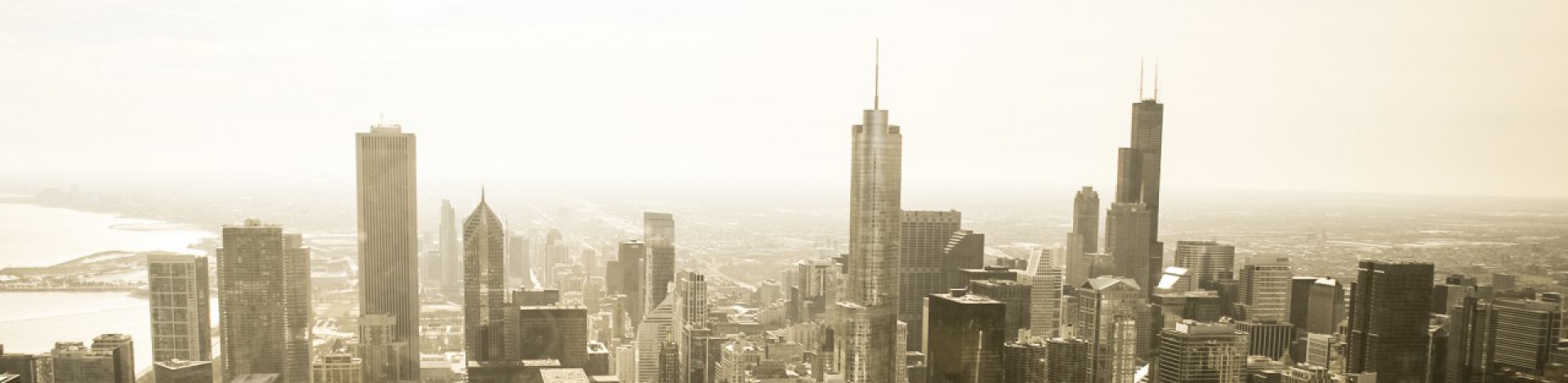

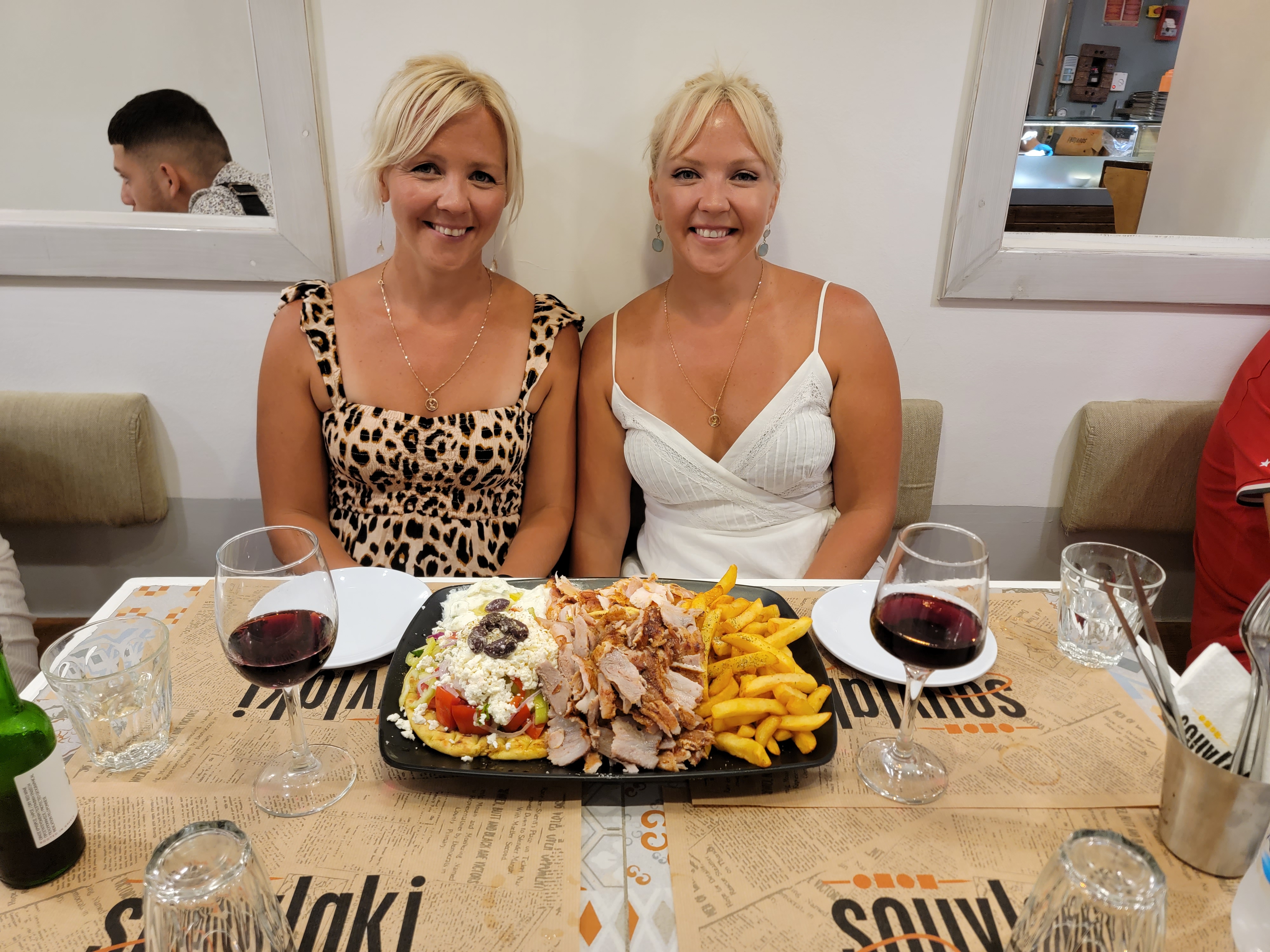
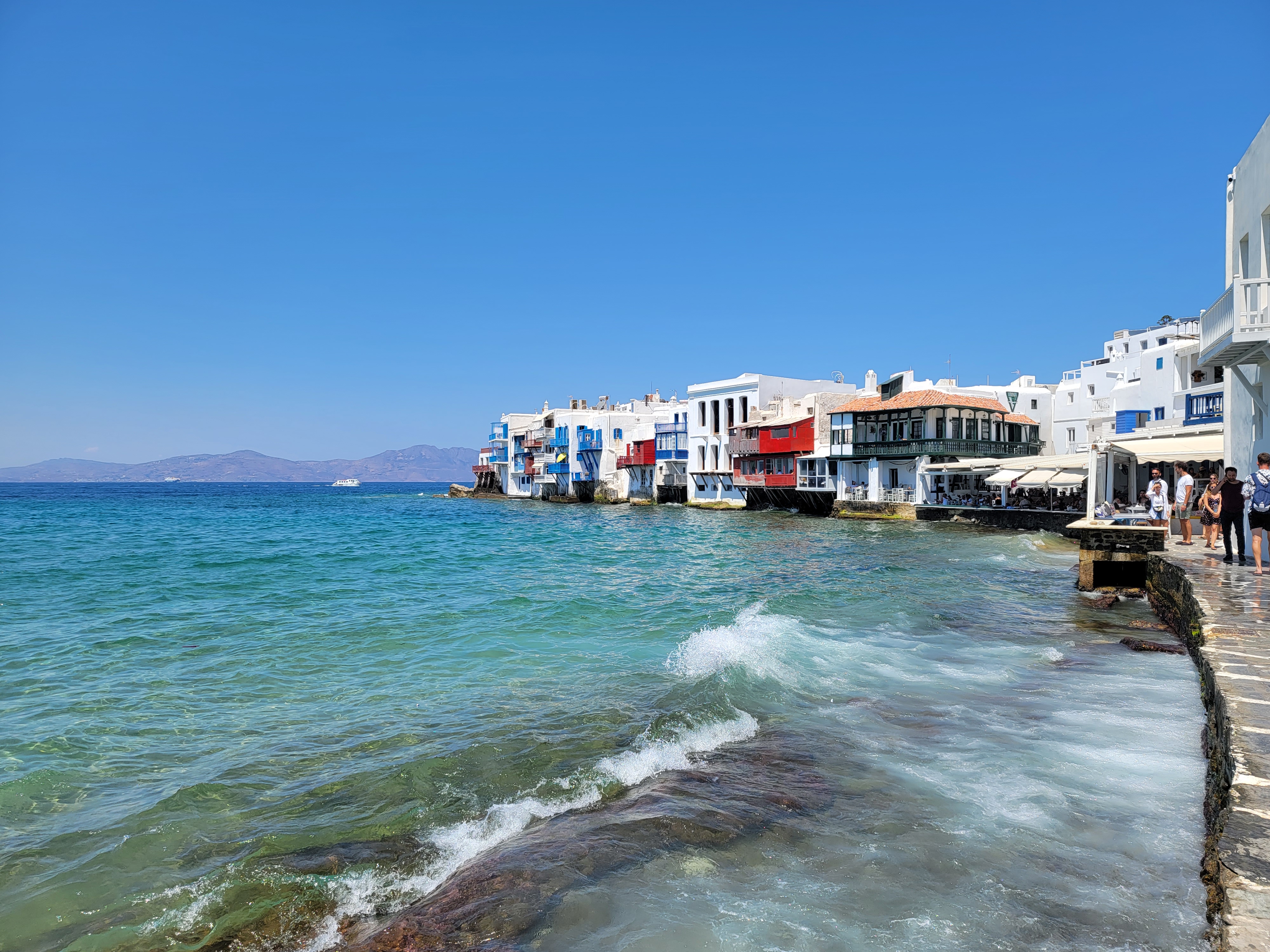


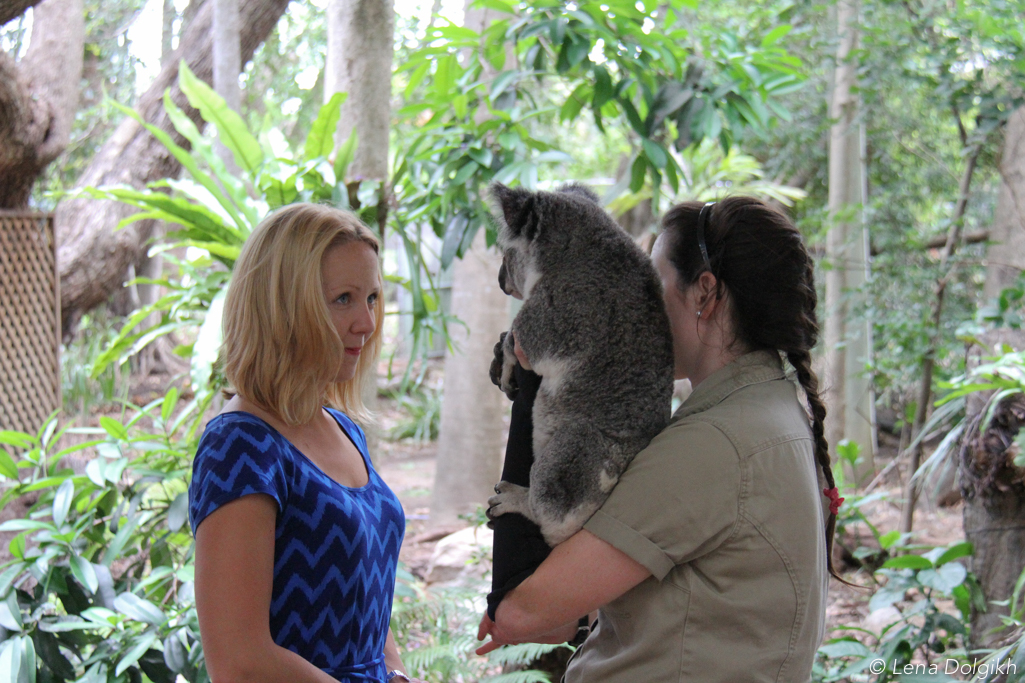

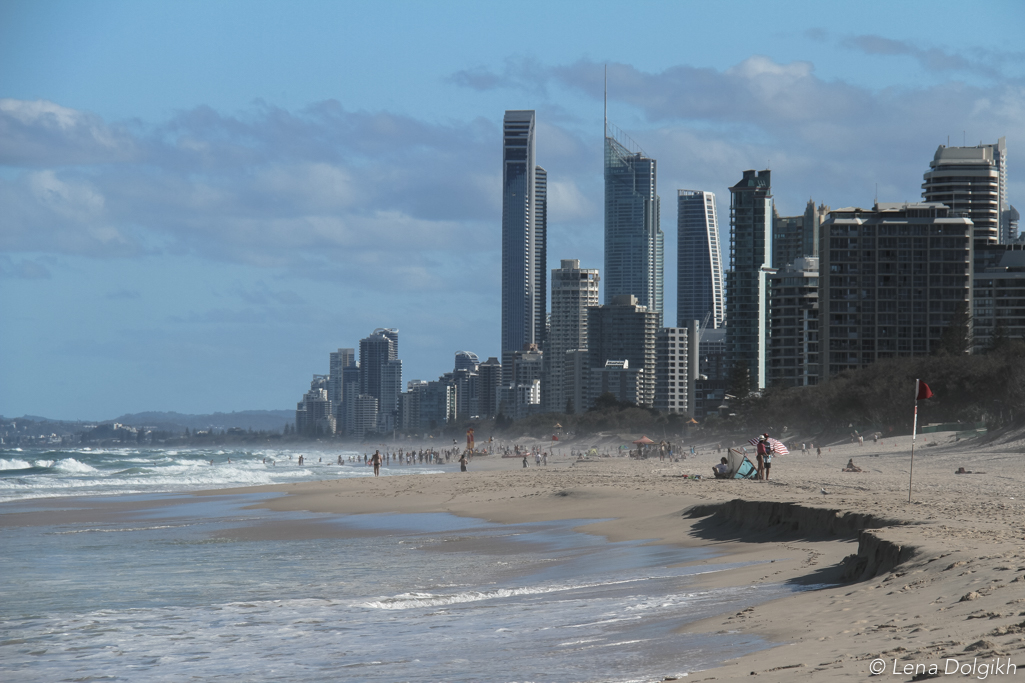


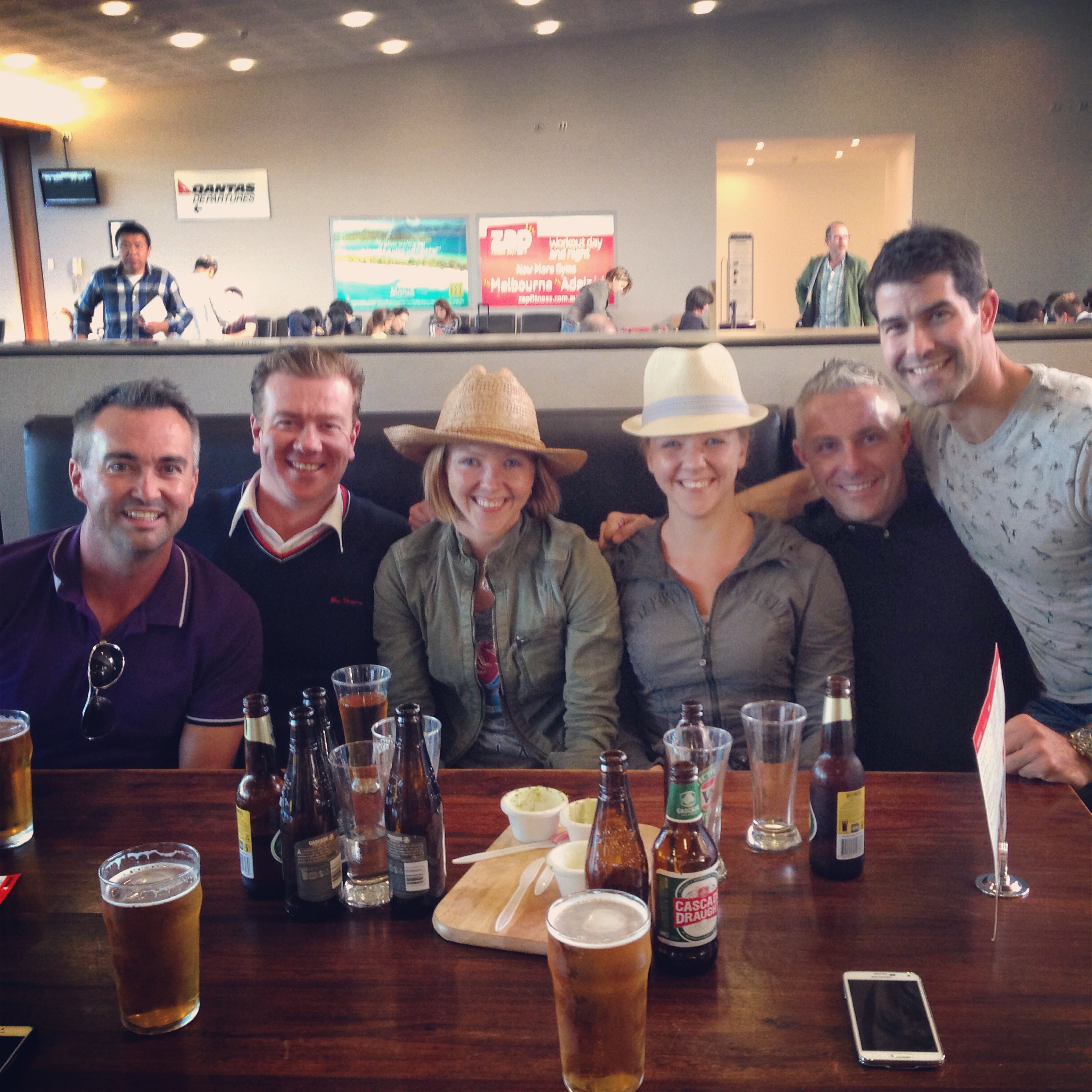


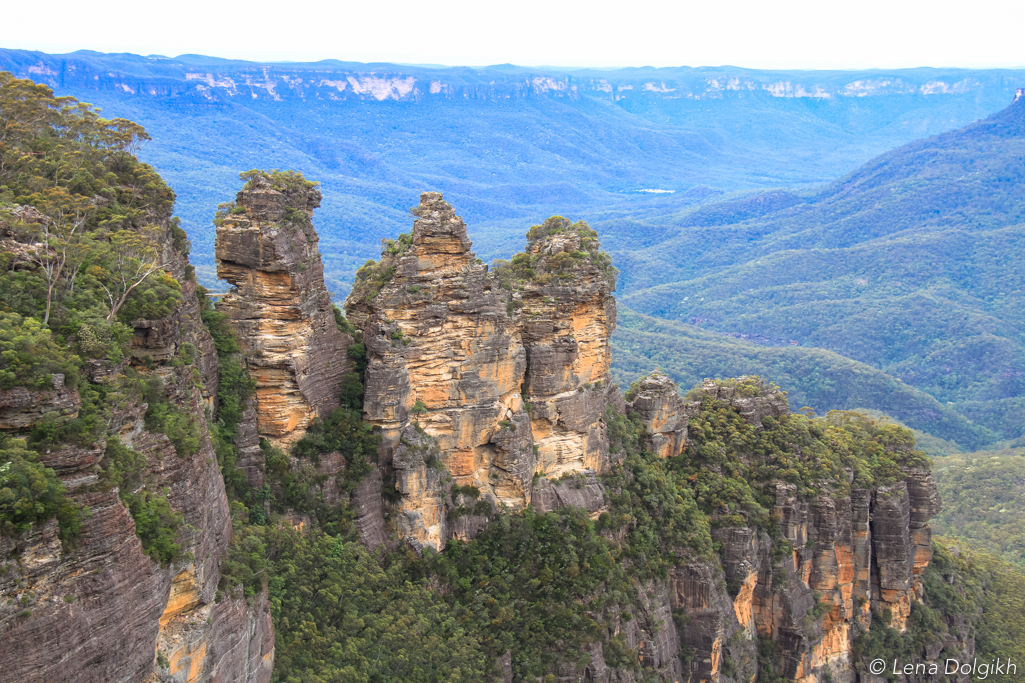


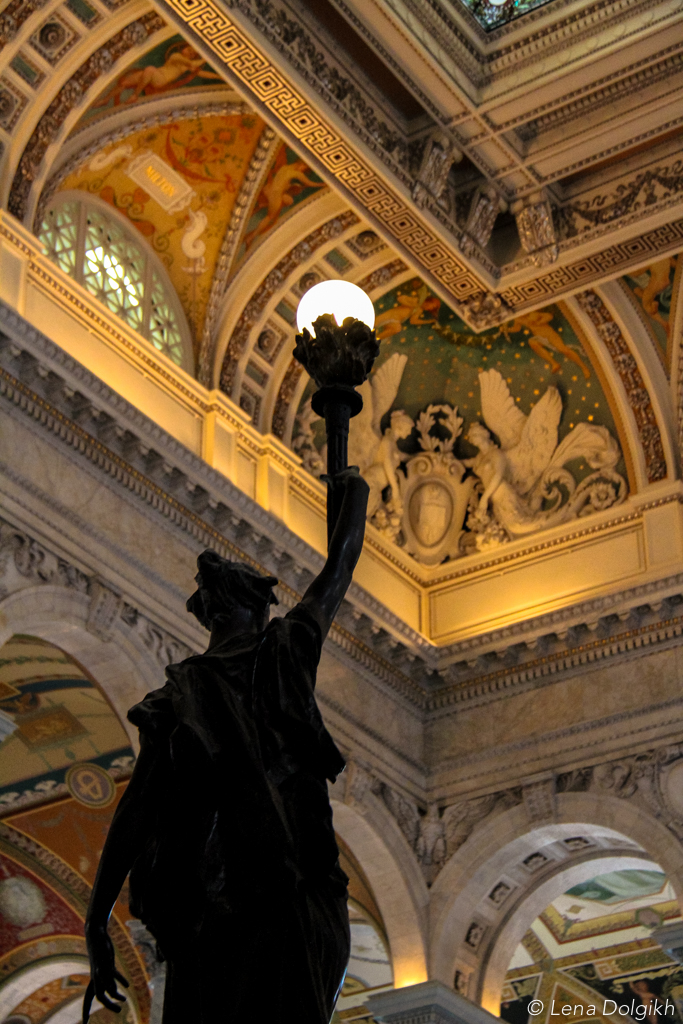


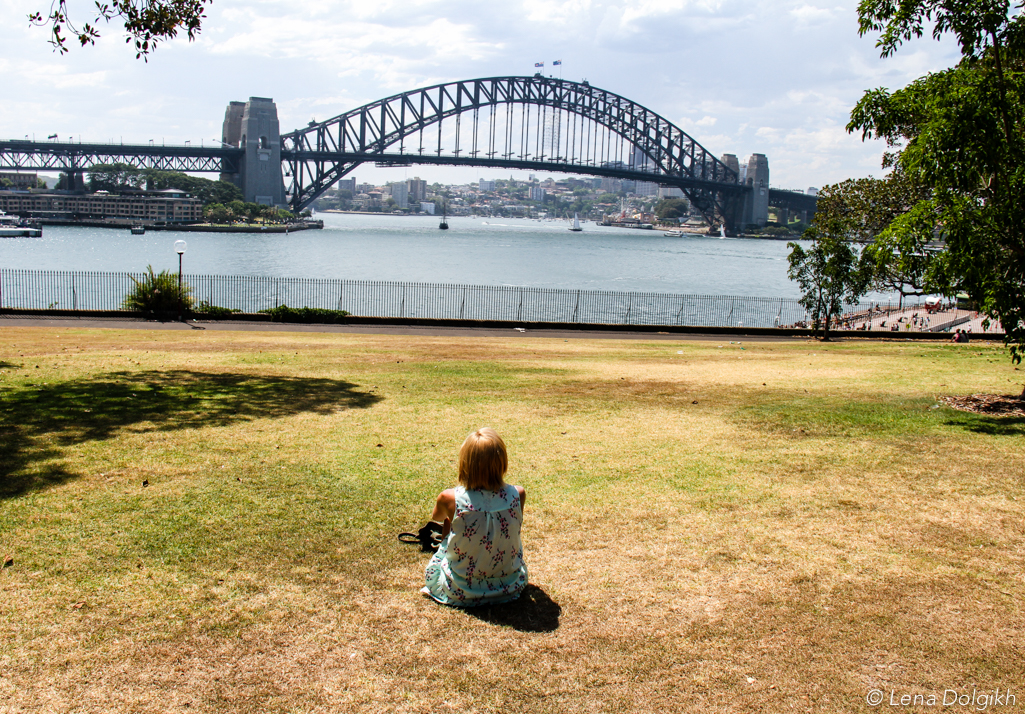
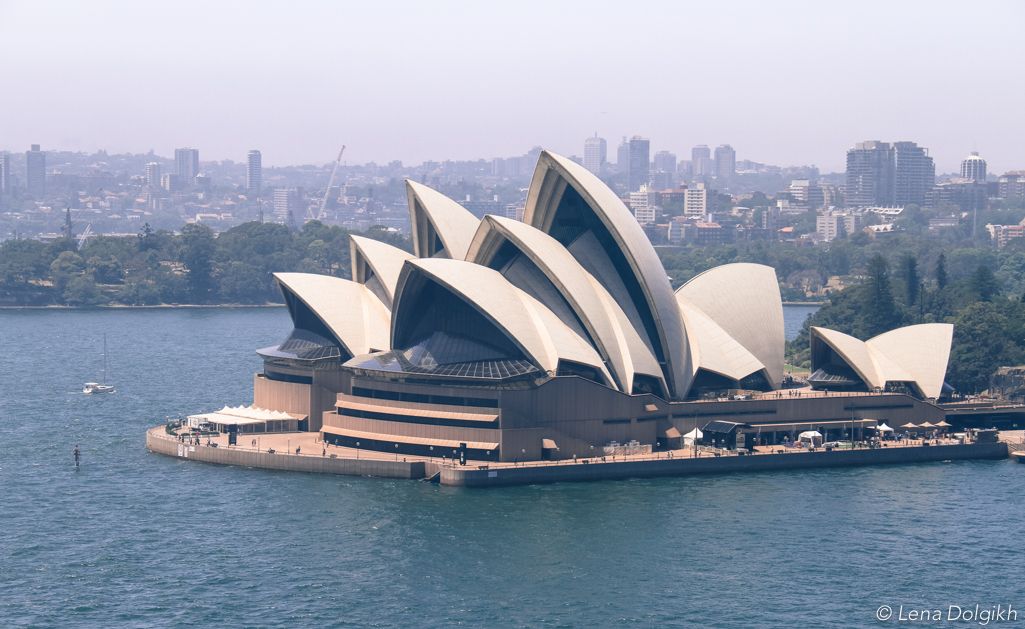

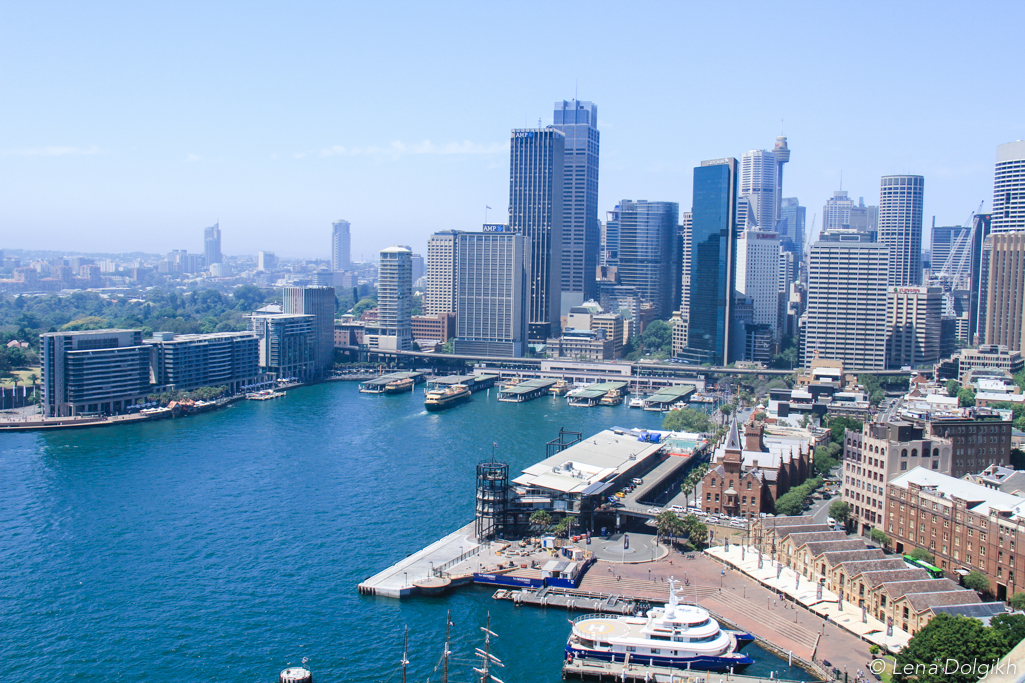


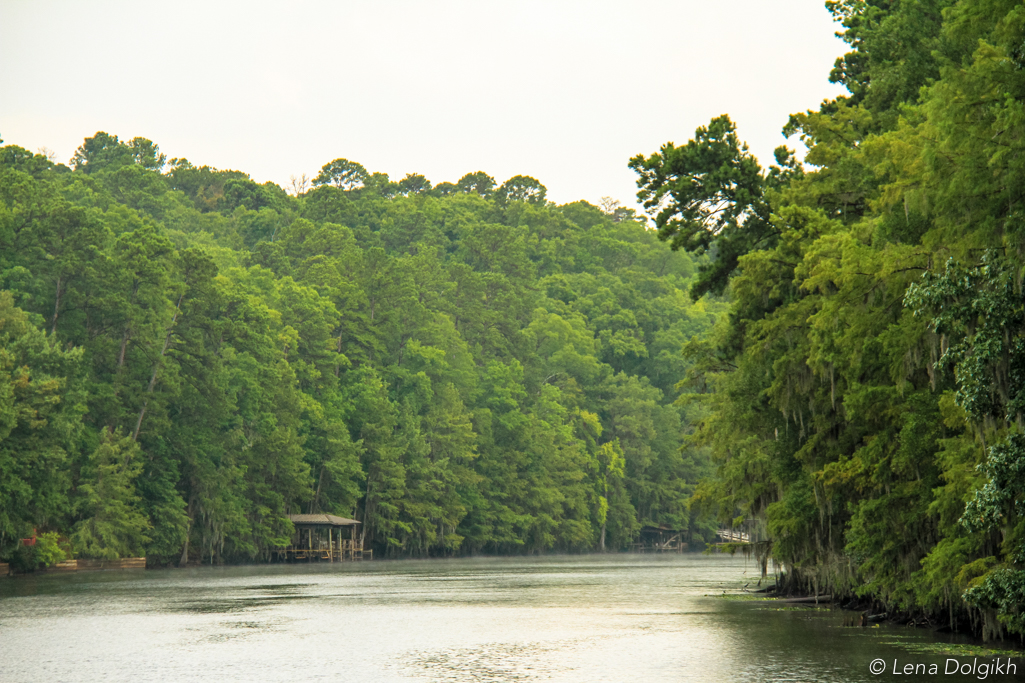


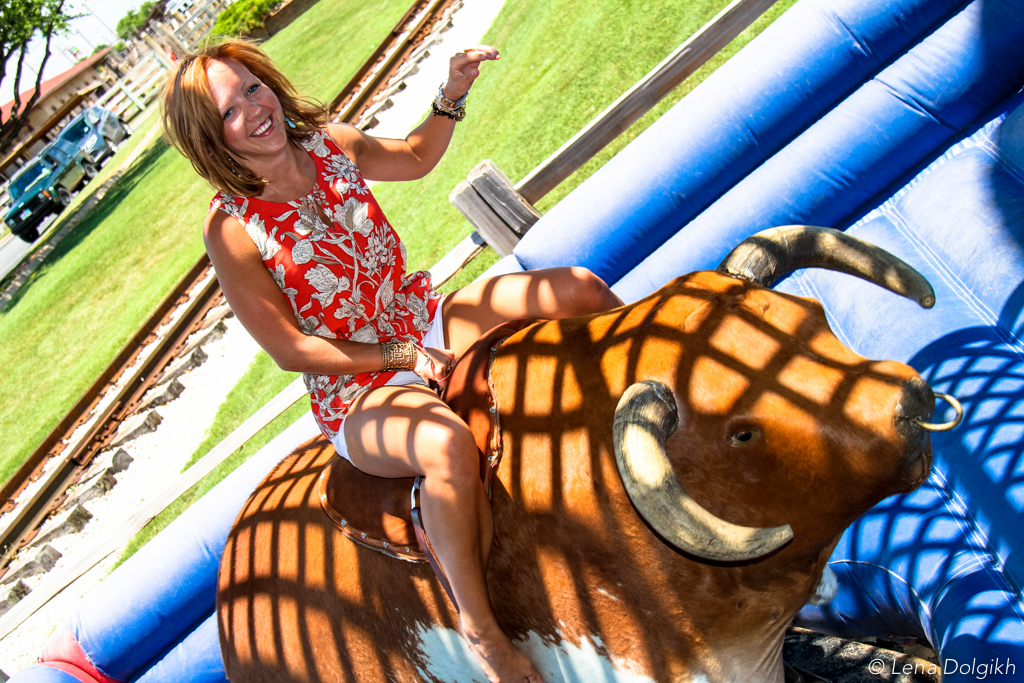
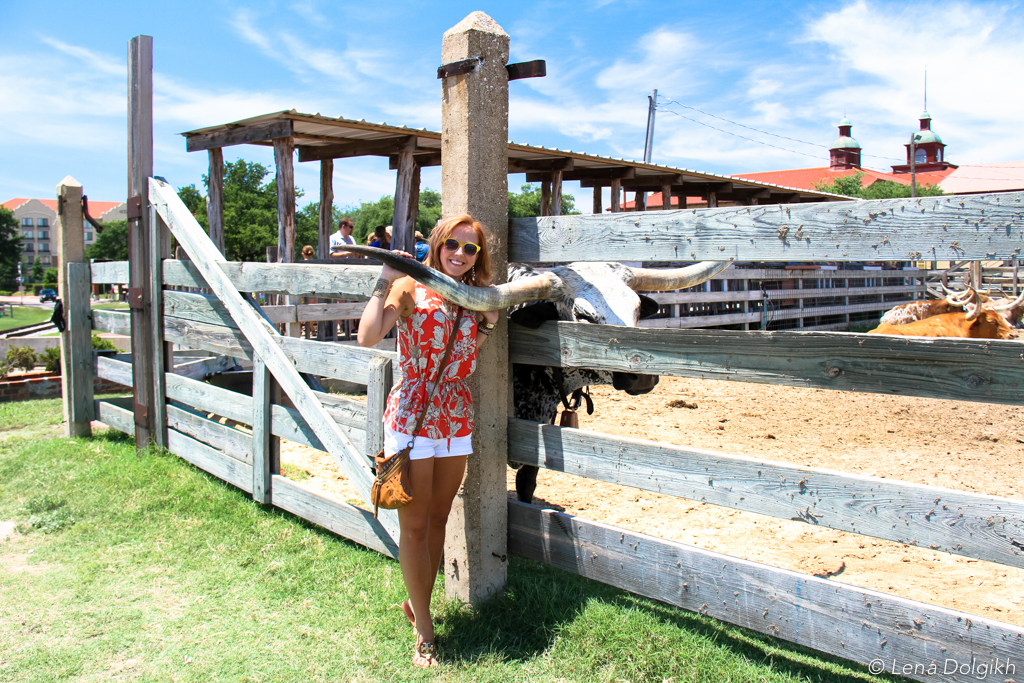


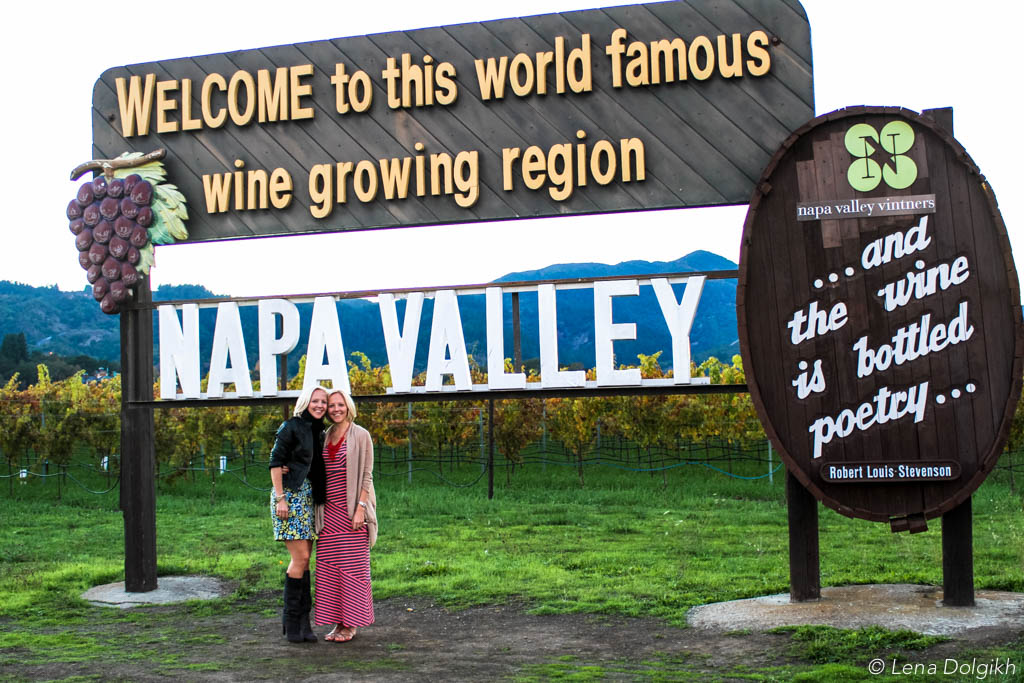
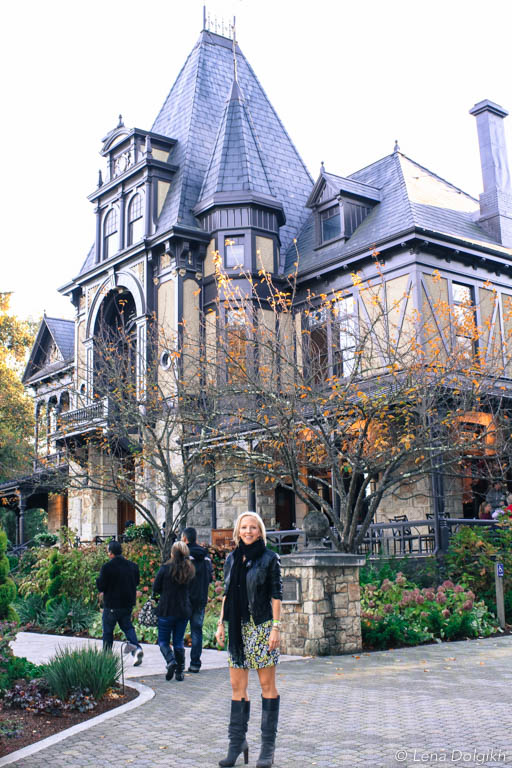


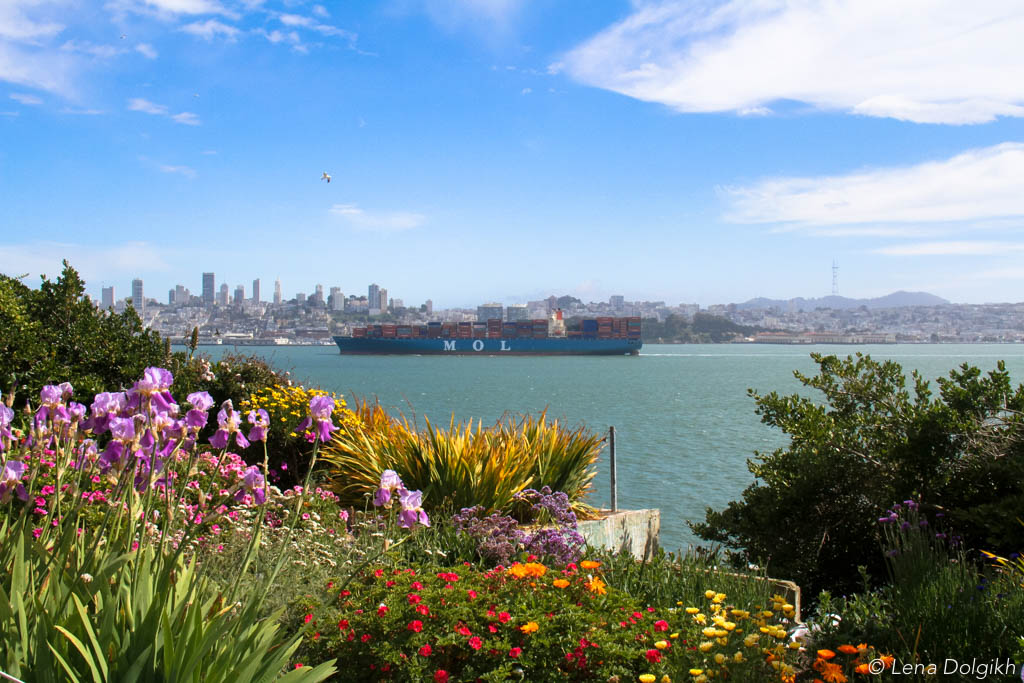
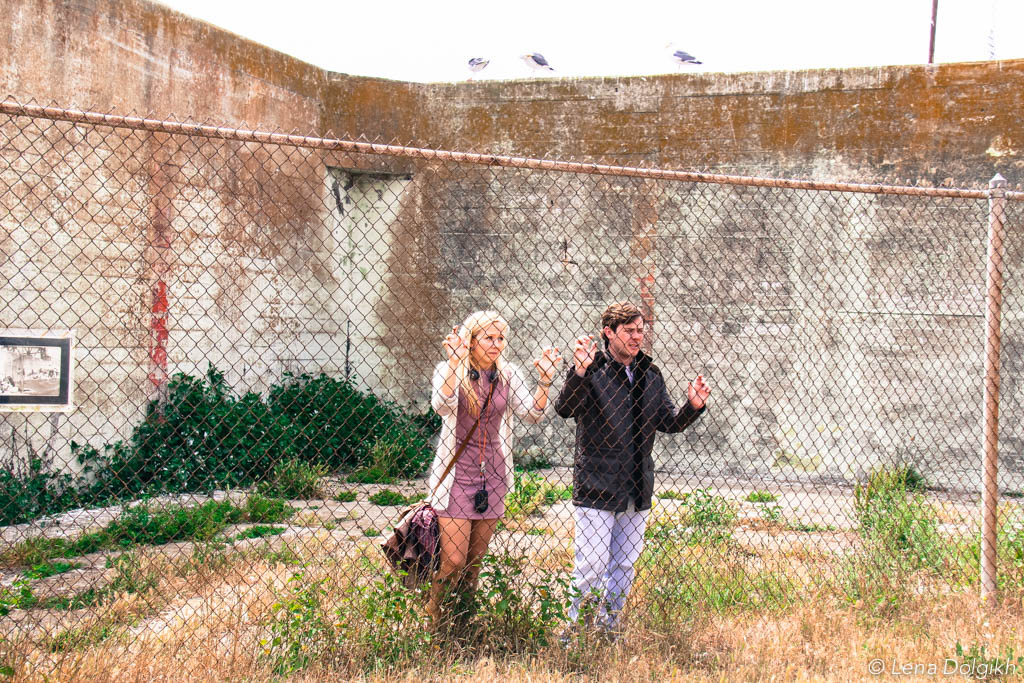


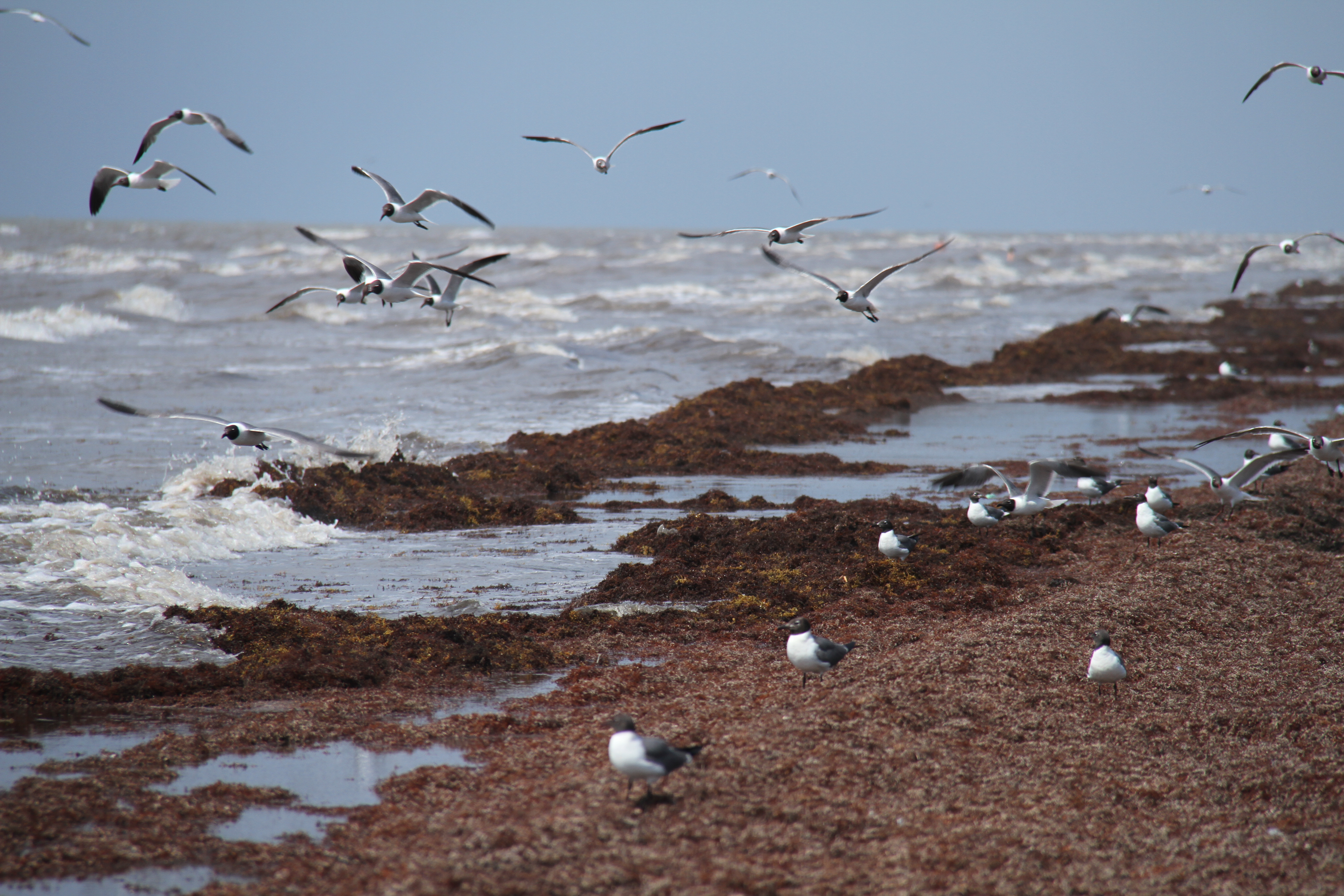


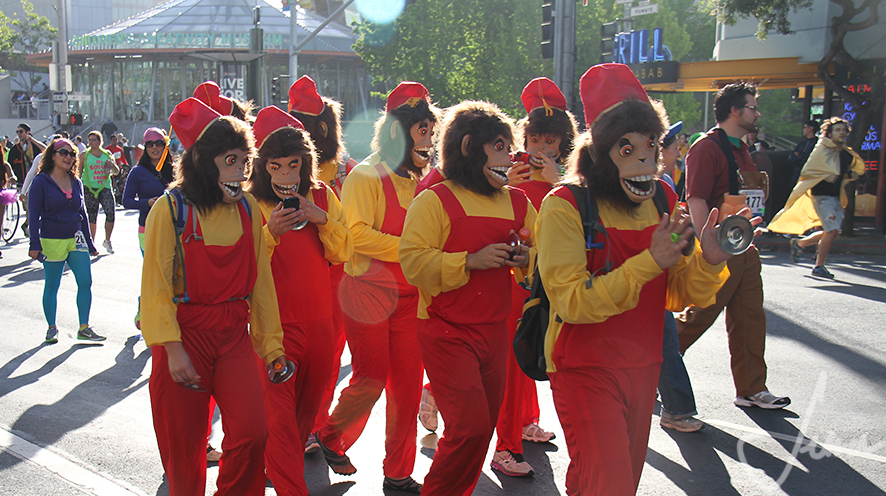
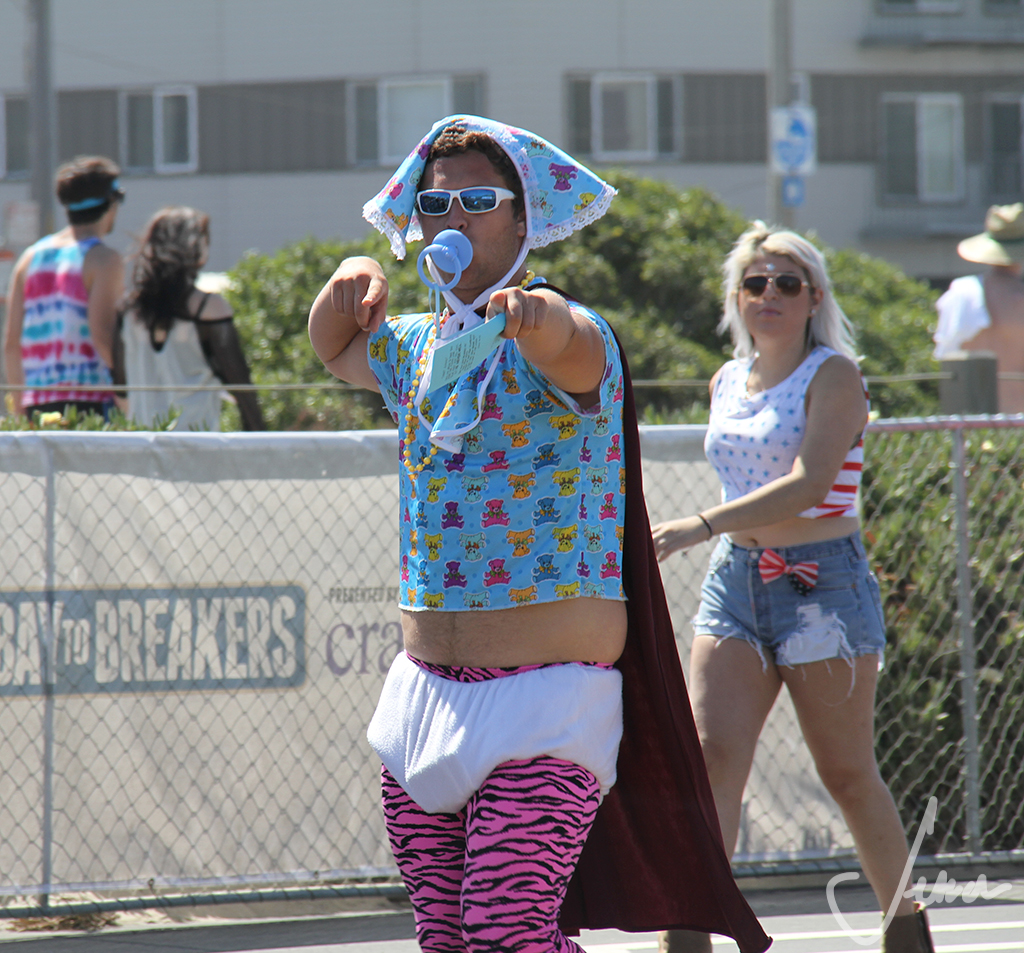
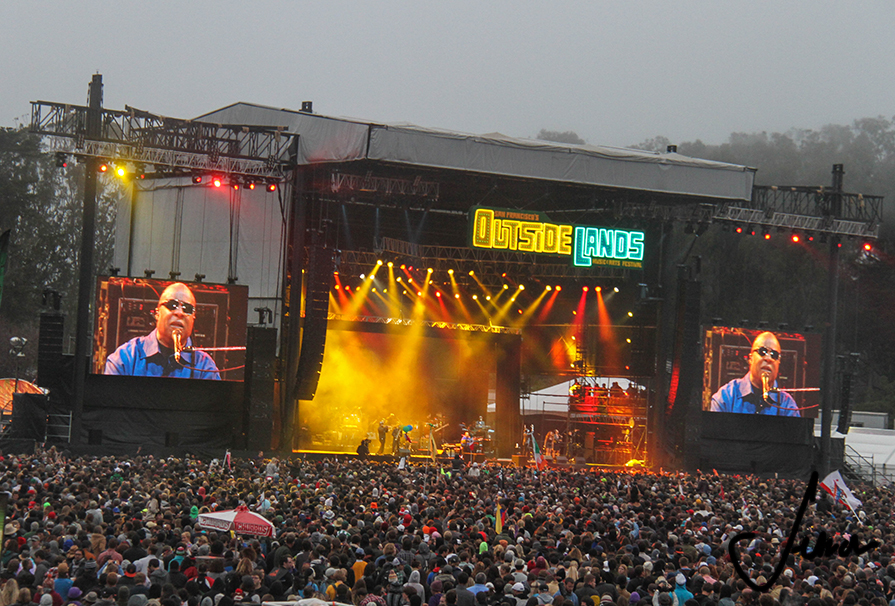
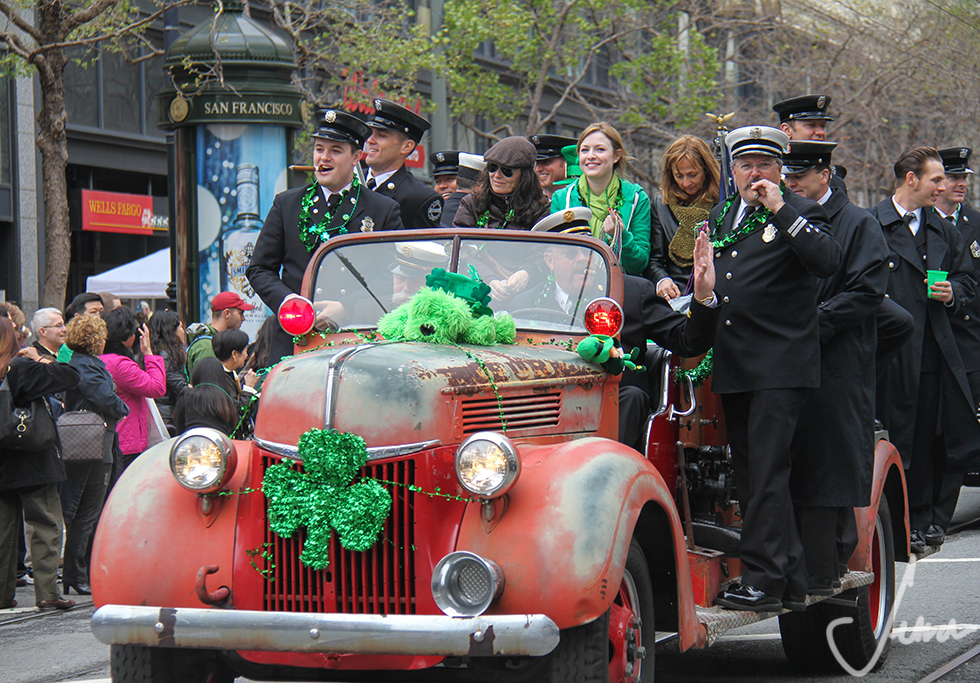



 One Sunny Morning